

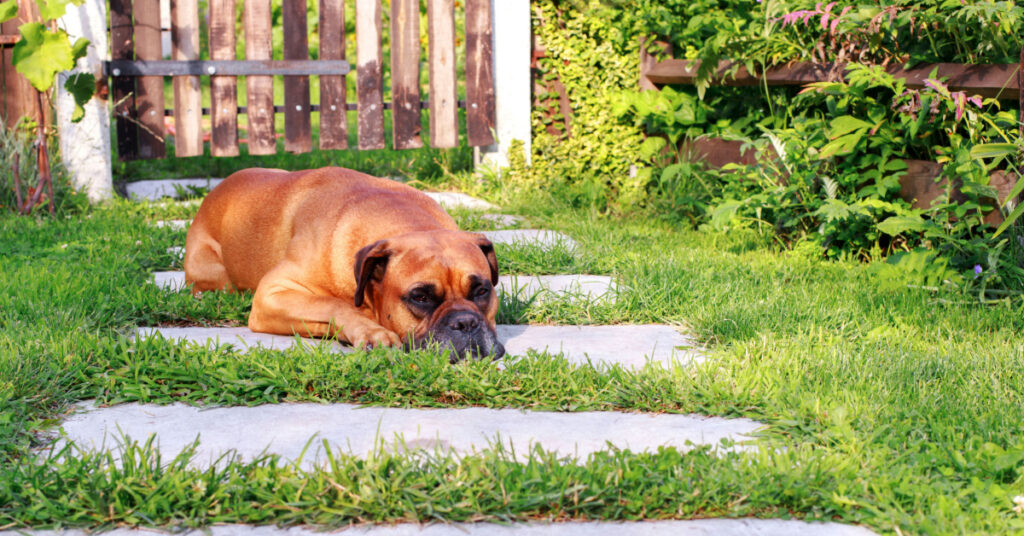
Your dog trots over for a belly rub every single morning without fail, until the one morning they simply do not. Instead, they lift their head, sigh, and settle right back down again, and that quiet moment is often the very first hint that something has shifted. That subtle shift is often the first sign of dog lethargy, a drop in energy and enthusiasm that can be as ordinary as a rough night of sleep or as telling as the earliest sign of illness. At Shawsheen Animal Hospital, we hear this exact story from worried pet owners all the time: the dog who normally cannot wait for the leash suddenly seems done for the day, and nobody can quite pinpoint why.
The good news is that dog lethargy almost always leaves clues, if you know what to look for and how closely to watch for them along the way. Keep reading to learn what counts as normal tiredness versus something more, the most common causes behind a sudden drop in energy, the symptoms worth tracking alongside it, and when it is finally time to stop guessing and call in the professionals.
What Is Dog Lethargy?
Dog lethargy refers to a noticeable drop in a dog’s normal energy, alertness, or interest in activities they usually enjoy. It is different from a dog simply resting after exercise or settling in for an afternoon nap, since lethargy tends to persist and affects how a dog responds to things that would normally excite them, like a favorite walk route or the sound of a treat bag.
How Lethargy Differs From Normal Tiredness
Every dog has quiet moments throughout the day, and normal tiredness typically resolves after rest, food, or a short walk. Dog lethargy, on the other hand, often lingers regardless of rest and can be accompanied by a general lack of responsiveness to favorite toys, treats, or people. A dog experiencing true lethargy may still get up to greet you, but the enthusiasm and follow-through are noticeably absent compared to their usual behavior. This distinction can be subtle at first, which is why paying attention over a day or two, rather than reacting to a single quiet afternoon, often gives a clearer picture.
Why Recognizing the Difference Matters
Because dog lethargy can be an early warning sign of illness, pain, or a metabolic issue, catching the shift in behavior early gives your veterinarian a better chance to identify and address the underlying cause before it progresses further. Owners who know their dog’s typical energy patterns are often the first to notice when something feels different, even before other symptoms appear, which makes that early observation genuinely valuable during a veterinary visit.
What Causes Lethargy in Dogs?
The list of potential causes behind dog lethargy is broad, ranging from minor and temporary to conditions that require prompt medical attention. Age, breed, and existing health conditions all play a role in which causes are most likely, and a young, healthy dog is far more likely to bounce back from a mild episode than an older dog with an existing condition.
Common Everyday Triggers
Several everyday situations can bring on a temporary dip in energy without pointing to anything serious.
- Overexertion after an unusually long walk, hike, or play session
- Hot weather or overheating, particularly in thick-coated breeds
- Recent vaccinations, which can cause mild, short-term tiredness
- Poor sleep quality due to a disrupted routine or new environment
These everyday triggers of dog lethargy usually resolve within a day or two with rest and a return to a normal routine, though it is still worth monitoring your dog closely during that time to make sure the low energy is genuinely improving rather than staying the same or getting worse.
More Serious Medical Causes
Persistent dog lethargy can also point to conditions such as infections, anemia, thyroid disease, heart problems, or organ dysfunction affecting the liver or kidneys. Chronic conditions like diabetes or Cushing’s disease can also present with gradually worsening low energy that owners sometimes attribute to normal aging instead. Pain from an injury, arthritis, or dental disease is another frequently overlooked cause, since dogs often mask discomfort by simply slowing down rather than showing obvious signs of pain. Senior dogs in particular may develop gradual lethargy tied to age-related conditions that benefit from earlier detection and management.
Symptoms of Lethargy in Dogs
Recognizing the symptoms that often accompany dog lethargy can help you describe what you are seeing more precisely when you speak with your veterinary team, which can speed up the diagnostic process considerably and help rule out unlikely causes right away.
Physical and Behavioral Signs
A lethargic dog may sleep more than usual, show little interest in walks or playtime, move more slowly, or seem reluctant to climb stairs or jump onto furniture they normally use with ease. Some dogs also become less interactive with family members or other pets in the household, choosing to withdraw rather than participate the way they typically would.
Signs That Often Accompany Lethargy
A handful of related symptoms often show up alongside a drop in energy and are worth flagging together.
- Reduced appetite or complete refusal to eat
- Vomiting, diarrhea, or other digestive changes
- Noticeable weight loss or gain over a short period
- Changes in drinking habits, either increased or decreased
Because dog lethargy rarely occurs in isolation, tracking any accompanying symptoms gives your veterinarian a fuller picture of what might be happening and helps guide which tests to prioritize first.
When Is Dog Lethargy an Emergency?
While mild dog lethargy after a busy day is usually nothing to worry about, certain situations call for immediate veterinary attention rather than a wait-and-see approach.
Red Flags That Need Same-Day Care
Sudden collapse, pale or bluish gums, labored breathing, repeated vomiting, or an inability to stand are all signs that dog lethargy has crossed into emergency territory. Extreme lethargy following a known toxin exposure or a traumatic injury also warrants an immediate trip to Shawsheen Animal Hospital or the nearest emergency clinic, since these situations can escalate quickly without prompt care. A dog that is unusually difficult to rouse from sleep, or that seems disoriented alongside the lethargy, also falls into this urgent category.
Trusting Your Instincts
If your dog’s energy level seems dramatically different from their normal baseline and something feels off, it is always reasonable to have them evaluated rather than waiting to see if the dog lethargy resolves on its own. Veterinary teams would much rather examine a dog that turns out to be fine than see a serious condition go unaddressed, so there is no such thing as an overly cautious phone call when your dog’s behavior has genuinely changed.
Getting Your Lethargic Dog the Right Care
Once dog lethargy has been identified, a veterinary exam is the best next step toward figuring out what is behind it and what your dog needs to feel like themselves again. Our team at Shawsheen Animal Hospital can run the appropriate diagnostics, from bloodwork to imaging, to pinpoint the cause and build a plan specific to your dog’s situation and overall health history.
With a clear diagnosis in hand, most dogs respond well once the underlying issue is properly addressed and monitored over time, and many return to their normal energy levels within a reasonable timeframe. If you notice your dog is not quite themselves, trust that instinct and schedule an appointment rather than waiting for the low energy to explain itself. Call us at (978) 851-5558 or book an appointment online today!