

A sudden, honking cough that sounds almost like your dog has something stuck in their throat is one of the most recognizable symptoms pet owners bring up during appointments. Kennel cough in dogs is a common, highly contagious respiratory condition, and understanding what it looks like, where it comes from, and how it is managed can help you respond quickly and keep other dogs safe too. At Shawsheen Animal Hospital, we see kennel cough in dogs regularly, especially among pets that spend time at daycare, boarding facilities, grooming salons, or dog parks. The condition can affect dogs of any age or breed, though puppies, senior dogs, and those with existing respiratory issues sometimes experience more pronounced symptoms, and multi-dog households can see the infection pass from one pet to another within days. This blog walks through what kennel cough in dogs actually is, the common symptoms to watch for, likely causes, how veterinarians typically diagnose it, how it is usually treated, and how to help prevent it going forward.
What Is Kennel Cough in Dogs?
Kennel cough in dogs, medically known as infectious tracheobronchitis, is an inflammation of the upper airway that leads to a persistent, often dramatic-sounding cough. It spreads easily wherever dogs gather in close quarters, which is how it earned its common name. The condition is considered one of the most common contagious respiratory illnesses seen in dogs across the country, and most veterinarians encounter it on a regular basis throughout the year.
How It Gets Its Name
The condition is called kennel cough in dogs because it spreads so efficiently in boarding kennels, shelters, and other group settings where dogs share airspace, water bowls, and toys. Even brief nose-to-nose contact at a dog park can be enough to pass it along, and the incubation period means a dog can appear perfectly healthy for several days before symptoms show up.
Why It Spreads So Easily
The infection is airborne and can also transfer through direct contact or shared surfaces, which is part of why outbreaks tend to cluster around facilities with high dog turnover. A dog does not need to be visibly sick to spread it to others, and the organisms involved can survive on surfaces like bowls and bedding for a period of time, making thorough cleaning an important part of outbreak control at boarding and daycare facilities. This is also why many facilities have policies requiring dogs to be symptom-free for a set period before returning after an illness.
Symptoms of Kennel Cough in Dogs
The symptoms are usually distinctive enough that many owners recognize the condition before ever mentioning it to their veterinarian, though severity can vary considerably from one dog to the next.
The Hallmark Cough
Dogs with this condition often produce a forceful, honking cough that can sound alarming, sometimes ending in a gag or retch that brings up white foam. This cough frequently worsens with excitement, exercise, or pressure on the neck from a collar, and it can be startling enough that owners initially suspect their dog is choking on something. A harness instead of a collar can sometimes reduce the coughing triggered by pressure on the throat while your dog recovers.
Other Signs to Watch For
Alongside the cough itself, a handful of milder symptoms sometimes show up as well.
- A persistent, dry cough that seems to come in fits
- Mild nasal discharge or watery eyes
- Occasional sneezing
- Low energy or a slightly reduced appetite in more involved cases
In most cases, the dog otherwise seems bright, alert, and willing to eat and play between coughing episodes, which helps distinguish this condition from more serious respiratory illnesses that tend to cause more widespread lethargy.
Causes of Kennel Cough in Dogs
This condition is rarely caused by a single organism. Instead, it is typically the result of one or more bacteria and viruses working together to irritate the airway lining.
Common Bacterial and Viral Culprits
Bordetella bronchiseptica is the bacterium most commonly associated with kennel cough in dogs, though canine parainfluenza virus, canine adenovirus, and canine respiratory coronavirus can also contribute to the illness, sometimes in combination with one another to produce more pronounced symptoms. When multiple organisms are involved at once, the resulting cough can be more severe or take longer to fully resolve than a case caused by a single pathogen.
Contributing Environmental Factors
Beyond the organisms themselves, several environmental and lifestyle factors can make a dog more likely to develop symptoms or experience a more difficult recovery.
- Crowded or poorly ventilated boarding and daycare facilities
- Stress from travel, new environments, or unfamiliar dogs
- Cold or dry air that irritates the airway
- Incomplete or outdated vaccination status
Because more than one contributing organism is often involved, a dog can sometimes be reinfected or experience a longer recovery when multiple pathogens are present at the same time, which is one reason veterinarians take a thorough history when symptoms appear.
Diagnosing and Treating Kennel Cough in Dogs
Because several other conditions can look similar in their early stages, your veterinarian will typically rely on a combination of history, physical exam findings, and sometimes additional testing to confirm the diagnosis rather than relying on the cough alone.
How Veterinarians Diagnose Kennel Cough
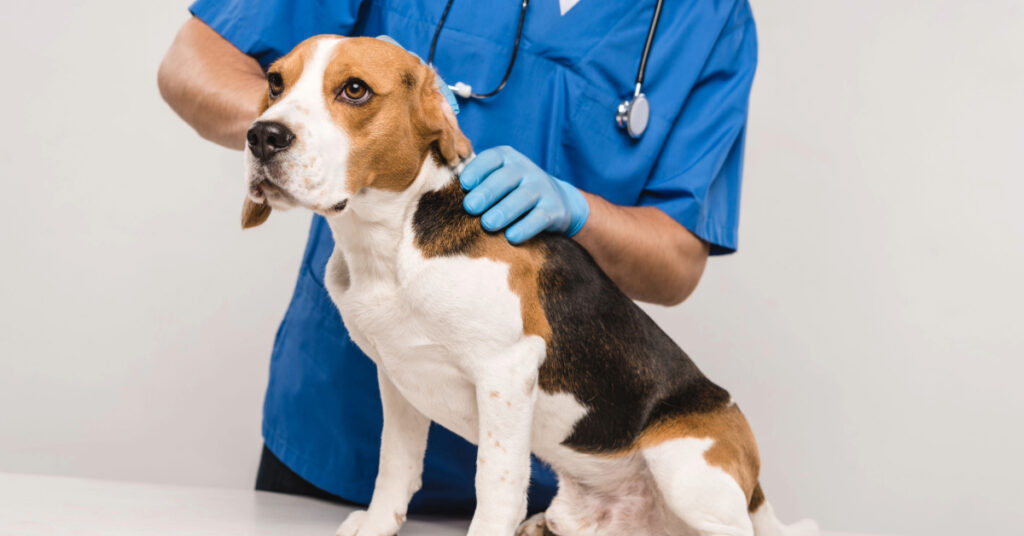
Your veterinarian will usually ask about recent boarding stays, daycare visits, or exposure to other dogs, then perform a physical exam that includes gently pressing on the trachea to check for a reflexive cough. In cases involving prolonged symptoms or dogs that seem otherwise unwell, additional diagnostics may be recommended to rule out pneumonia or other underlying conditions that can present with a similar cough. Occasionally a nasal or throat swab may also be collected to identify the specific organisms involved, particularly if a dog’s symptoms are not resolving as expected.
How Treatment Is Approached
Most mild cases of kennel cough in dogs are managed with supportive care and monitoring, since the illness is often self-limiting in healthy adult dogs. In cases involving a secondary bacterial infection or more significant symptoms, your veterinarian may recommend medication tailored to your dog’s specific situation and overall health. Rest and reduced physical exertion are typically part of any recovery plan as well, since exercise can aggravate the cough while the airway is still inflamed. Our team at Shawsheen Animal Hospital can determine the right treatment approach based on your dog’s exam findings, symptom severity, and any other health considerations.
Recovery, Management, and Prevention of Kennel Cough in Dogs
Most dogs recover fully from kennel cough in dogs within one to three weeks, though the cough itself can sometimes linger even after the dog is no longer contagious to other pets. Puppies, senior dogs, and those with underlying health conditions may take somewhat longer to bounce back and often benefit from closer monitoring during that window. During recovery, limiting contact with other dogs helps prevent further spread throughout the household or neighborhood, and your veterinarian can advise on when it is safe to resume normal activities like walks and playdates.
Vaccination against Bordetella and other contributing pathogens remains one of the most effective tools for prevention, particularly for pets who regularly visit boarding facilities, groomers, or dog parks. Many boarding and daycare facilities require proof of vaccination for exactly this reason, since it helps protect the whole group of dogs in their care. If your dog develops a persistent cough, schedule an evaluation with Shawsheen Animal Hospital so the team can confirm the cause and get your dog back to their normal routine as safely and quickly as possible. Call (978) 851-5558 or book an appointment online today!