

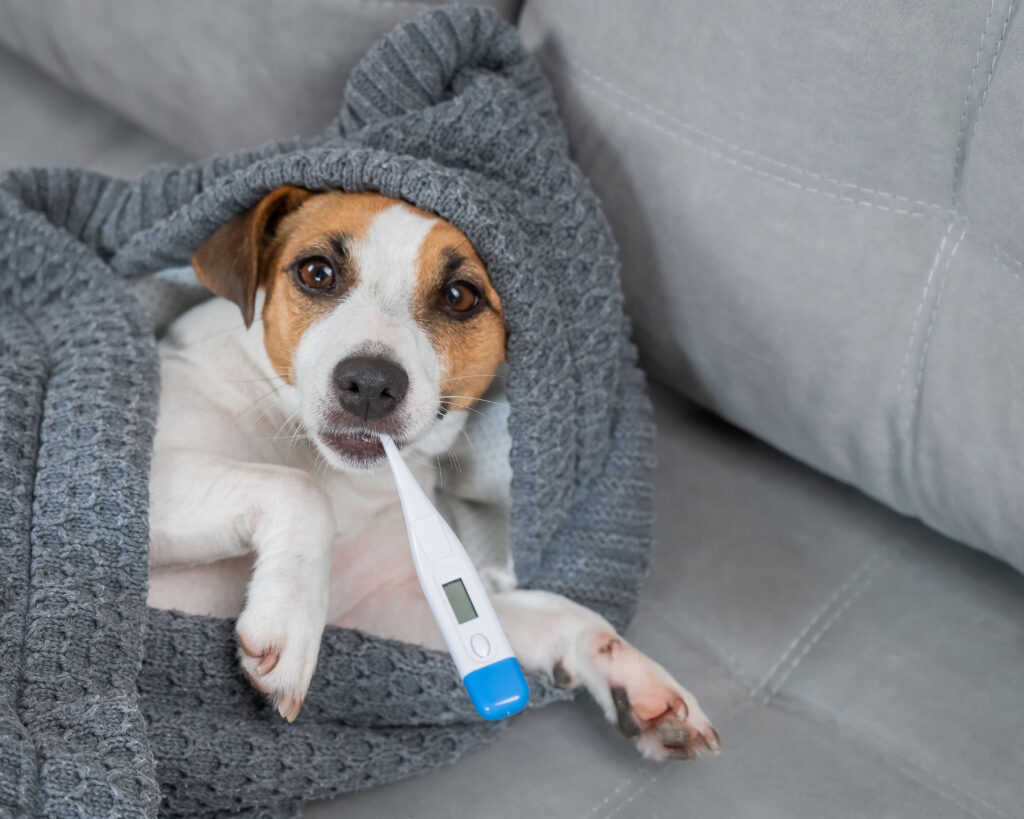
A dog coughing every so often is not usually cause for alarm, but when the coughing becomes frequent, persistent, or paired with other symptoms, it is worth paying closer attention. Dog coughing can stem from something as simple as a scratchy throat after rough play, or it can point to a more serious respiratory or heart-related issue. At Shawsheen Animal Hospital, we evaluate dog coughing cases throughout the year, and the underlying cause often depends on your dog’s age, breed, and overall health history.
Small dogs, senior pets, and breeds with shorter airways tend to show different patterns than large, active dogs, which is one reason a thorough exam matters so much. Weather changes, seasonal allergens, and even a dog’s weight can also influence how often coughing shows up, and indoor air quality plays a role too, especially during winter months when homes are sealed up tight. This blog walks through the most common reasons behind a coughing dog, what to watch for at home, how veterinarians diagnose the cause, and what treatment paths typically look like.
Why Is My Dog Coughing?
Dog coughing has a wide range of possible triggers, from minor irritation to conditions that need prompt veterinary attention. Understanding the general categories can help you decide how quickly to seek care and what questions to ask during an appointment. The sound, frequency, and timing of the cough all offer clues about what might be going on underneath.
Common Everyday Causes
Mild dog coughing often follows exposure to dust, smoke, pollen, or strong household odors, or happens after a dog pulls hard against a leash and collar during walks. Kennel cough, a highly contagious respiratory infection, is one of the most frequent reasons for coughing in dogs that spend time at daycare, boarding facilities, grooming salons, or dog parks. This type of cough often has a distinctive, honking quality and can spread quickly among dogs in close contact with one another. Even something as ordinary as swallowing water too fast can trigger a brief coughing spell that resolves on its own within moments.
More Serious Underlying Conditions
Some causes of dog coughing point to issues that go well beyond a temporary irritation and need your veterinarian’s evaluation to manage properly.
- Heart disease, where coughing often worsens at night or after lying down
- Collapsing trachea, more common in small and toy breeds as they age
- Chronic bronchitis or other lower airway inflammation
- Heartworm disease, particularly in dogs not on year-round prevention
Because a coughing dog can be showing signs of anything from mild irritation to a cardiac or respiratory condition, tracking when the cough happens and what it sounds like gives your veterinarian valuable clues about where to start looking. Breed history and age can also help point toward or away from certain conditions before testing even begins.
What To Do If Your Dog Is Coughing
If you notice your dog coughing at home, staying observant without jumping to conclusions is the best first step. A little organized information goes a long way once you bring your dog in for an exam, and it can help your veterinarian narrow down the possibilities faster. Try to avoid strenuous exercise or excitement until you have a better sense of what is causing the coughing.
Signs Worth Noting Before Your Visit
Take note of how often the coughing episodes occur, whether they happen during exercise, at rest, or after eating and drinking, and whether your dog seems otherwise energetic or noticeably tired. A quick video of an episode can be extremely helpful for your veterinary team, since a cough can sound different in person than it did when you first noticed it at home. Mentioning any recent boarding stays, new environments, or exposure to other dogs can also help guide the conversation.
When Dog Coughing Needs Immediate Attention
Certain symptoms alongside a cough signal that a same-day visit is the right call rather than waiting to see if things improve on their own:
- Bluish or pale gums, which can indicate a lack of oxygen
- Labored or rapid breathing alongside the cough
- Coughing up blood or foamy discharge
- Sudden collapse or extreme lethargy accompanying the cough
If any of these signs appear, contact Shawsheen Animal Hospital or an emergency veterinary clinic right away rather than waiting for a routine appointment to open up.
Diagnosing Coughing in Dogs
Because dog coughing can stem from so many different causes, an accurate diagnosis usually requires a combination of physical examination and diagnostic testing rather than guesswork based on symptoms alone. Every dog’s history plays a role in shaping which tests make sense first.
The Physical Exam
Your veterinarian will listen closely to your dog’s heart and lungs, check for signs of airway obstruction, and ask detailed questions about when the coughing started and how it has progressed over time. Gently pressing on the trachea, checking gum color, and observing your dog’s breathing pattern at rest are all part of this initial assessment. This exam often narrows down the likely causes considerably before any testing even begins.
Diagnostic Tools Vets May Use
Chest X-rays are one of the most common tools for evaluating a coughing dog, since they can reveal an enlarged heart, fluid in the lungs, or masses in the chest cavity. Bloodwork, heartworm testing, and in some cases a tracheal wash or bronchoscopy may be recommended depending on what the initial exam and imaging suggest. These tools give a clearer picture of the coughing dog’s overall respiratory and cardiac health, and together they help rule conditions in or out with more confidence, often within the same visit rather than requiring multiple trips back to the clinic.
Dog Coughing Treatment
Once the underlying cause of the cough has been identified, your veterinarian will outline a treatment plan tailored specifically to that diagnosis rather than a one-size-fits-all approach.
Treatment Varies by Cause
A cough linked to kennel cough may resolve with supportive care and monitoring, while coughing tied to heart disease or chronic bronchitis often requires ongoing management prescribed and adjusted by your veterinary team over several visits. Heartworm-related coughing requires a structured treatment protocol that should only be managed under direct veterinary supervision, since the process involves careful monitoring at every stage and follow-up testing along the way. Even conditions like collapsing trachea, which cannot be reversed, can often be managed for years with a plan built around your dog’s specific triggers, activity level, and weight.
Why Professional Guidance Matters
Because the right approach to dog coughing depends entirely on its root cause, attempting to manage it without a proper diagnosis can delay recovery or mask a more serious problem underneath. Our team at Shawsheen Animal Hospital can walk you through the specific plan that fits your dog’s diagnosis and monitor progress at each follow-up visit, adjusting the approach as needed along the way.
When Your Dog’s Cough Signals It’s Time to Call
Persistent or worsening dog coughing is always worth a conversation with your veterinarian, even if your dog otherwise seems fine day to day. Catching the underlying cause early often makes treatment more straightforward and more comfortable for your dog in the long run. If your dog has been coughing for more than a day or two, or shows any of the warning signs mentioned above, call (978) 851-5558 or book an appointment online to schedule a visit with Shawsheen Animal Hospital so our team can take a closer look. A prompt evaluation gives you clarity and gives your dog the best shot at a smooth, steady recovery, and it often puts your own mind at ease in the process too.