

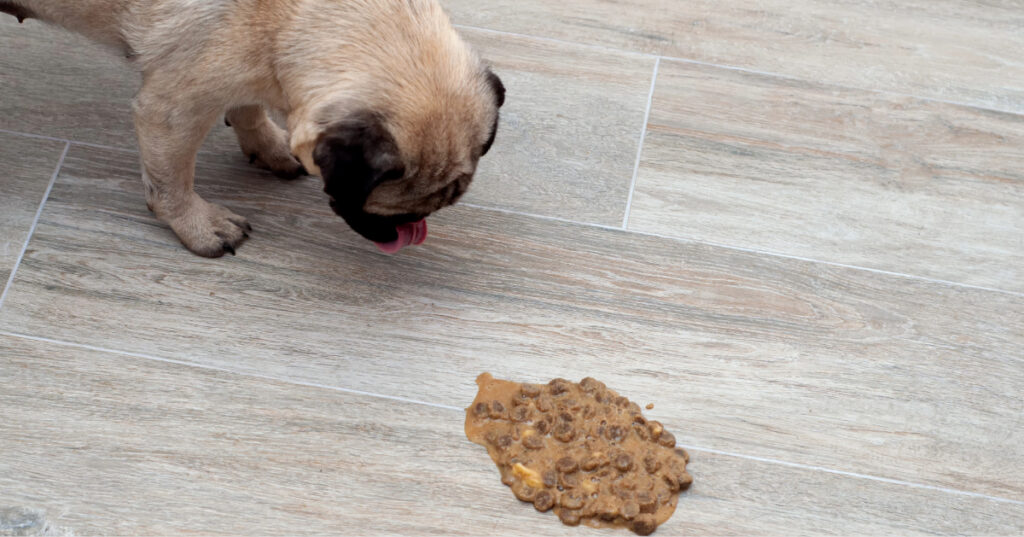
Dog vomiting is the forceful expulsion of stomach contents through the mouth, and it’s one of the most common signs that something is off with your pet’s health, ranging from a minor dietary mishap to a serious medical condition that needs urgent care. Not all vomiting is created equal, and knowing the difference can be the key to getting your dog the right help at the right time. Whether your pup raided the trash, has been sick repeatedly for days, or is bringing up something that looks alarming, this guide gives you the full picture. Read on to learn what’s behind the most common causes of dog vomiting, how to read the warning signs, and exactly when it’s time to bring your dog to Shawsheen Animal Hospital in Tewksbury, MA.
What Causes Dog Vomiting?
Dogs vomit for a wide range of reasons, from the minor to the serious. Identifying the likely cause is an important first step in deciding how quickly your dog needs to be seen by a veterinarian. Below are some of the most frequent causes of vomiting in dogs.
Dietary Indiscretion
Dogs are notorious for eating things they shouldn’t. Garbage, table scraps, foreign objects, and grass are all common culprits. This is sometimes called “dietary indiscretion,” and it’s one of the top reasons vets see dogs for acute vomiting. When a dog eats something that doesn’t agree with them, the stomach responds by trying to expel the offending material.
Gastrointestinal Issues
Conditions affecting the GI tract are a very common cause of dog vomiting. These include gastritis (inflammation of the stomach lining), gastroenteritis (inflammation of both the stomach and intestines), inflammatory bowel disease, and intestinal parasites. Dogs with chronic GI issues may vomit intermittently over weeks or months.
Infections and Illness
Bacterial and viral infections, including parvovirus and distemper, can cause significant vomiting in dogs. Parvovirus is especially dangerous and is more common in unvaccinated dogs. If your dog is also lethargic, has bloody diarrhea, or hasn’t eaten in more than 24 hours, an infection may be to blame.
Toxin Ingestion
Dogs can accidentally ingest household toxins, plants, medications, and certain human foods that are harmful to them. Chocolate, xylitol, grapes, raisins, and many common plants can trigger vomiting and require immediate veterinary care. If you suspect your dog has eaten something toxic, contact your vet right away.
Bloat (Gastric Dilatation-Volvulus)
Bloat, also known as gastric dilatation-volvulus (GDV), is a life-threatening condition in which the stomach fills with gas and can twist on itself. Dogs with bloat often attempt to vomit but are unable to bring anything up. This is a veterinary emergency. Large, deep-chested breeds such as Great Danes, German Shepherds, and Standard Poodles are at higher risk.
Organ Disease
Kidney disease, liver disease, pancreatitis, and Addison’s disease can all cause chronic or recurrent dog vomiting. These conditions are often accompanied by other signs including increased thirst, weight loss, or changes in appetite. A thorough physical exam and diagnostic testing are typically needed to identify these causes.
Types of Dog Vomiting: What the Vomit Can Tell You
What comes up when a dog vomits can provide important clues about what’s going on inside. While a definitive diagnosis always requires a veterinary evaluation, the appearance of the vomit can help you describe the situation when you call your vet.
- Yellow or foamy vomit: Often indicates an empty stomach. This type of vomiting, sometimes called “bilious vomiting syndrome,” typically happens in the early morning before the dog has eaten.
- White foam: Can be a sign of bloat, kennel cough, or acid reflux. If this is accompanied by unproductive retching, seek emergency care immediately.
- Undigested food: May indicate the dog ate too fast, is experiencing regurgitation rather than true vomiting, or has an esophageal issue.
- Blood in vomit: Bright red blood or dark, coffee-ground-like material in the vomit is a serious sign and requires prompt veterinary attention.
- Green vomit: Often caused by bile or by eating grass. If vomiting is persistent, a vet visit is warranted.
When Is Dog Vomiting an Emergency?
Not every episode of vomiting is an emergency, but certain signs mean you should contact Shawsheen Animal Hospital or an emergency clinic right away. Dog owners should be particularly vigilant if multiple symptoms appear together.
Seek immediate veterinary care if your dog is experiencing any of the following alongside vomiting:
- Bloated or distended abdomen
- Unproductive retching or dry heaving
- Blood in the vomit
- Suspected ingestion of a toxin or foreign object
- Collapse, severe weakness, or pale gums
- Vomiting more than three times in a single day
- Vomiting combined with diarrhea and no water intake
- Known health conditions that put them at higher risk, such as diabetes or kidney disease
If your dog has vomited once or twice but is acting normally, drinking water, and showing no other symptoms, it may be appropriate to monitor them closely. However, when in doubt, calling your vet is always the right move.
Chronic vs. Acute Dog Vomiting
Understanding the difference between acute and chronic vomiting helps veterinarians narrow down the cause and recommend the best course of action.
Acute Vomiting
Acute vomiting comes on suddenly and typically lasts less than a few days. It’s often caused by something the dog ate, a minor GI upset, or an infection. Many cases of acute vomiting resolve with veterinary treatment, which may include fluids, anti-nausea medications, and a temporary diet change.
Chronic Vomiting
Chronic vomiting occurs repeatedly over weeks or months. Even if each episode seems mild, chronic dog vomiting is a signal that something more serious may be going on. Dogs with chronic vomiting need a thorough workup to identify the underlying cause, which could include bloodwork, imaging, or endoscopy.
How Veterinarians Diagnose and Treat Dog Vomiting
When you bring your vomiting dog to Shawsheen Animal Hospital, our team will start with a complete physical examination and a thorough history of your pet’s diet, environment, and symptoms. From there, we may recommend one or more of the following diagnostic tools to get to the root of the problem.
Diagnostic Options
- Blood and urine tests: To assess organ function, identify infections, and check for systemic diseases like kidney failure or pancreatitis.
- Fecal testing: To check for intestinal parasites that may be contributing to vomiting and GI upset.
- X-rays or ultrasound: Imaging helps identify foreign bodies, intestinal blockages, gas patterns consistent with bloat, and structural abnormalities in the GI tract.
- Endoscopy: A camera passed into the stomach and intestines to get a direct view of the GI tract lining. This may also allow for biopsy collection.
Treatment Options for Dog Vomiting
Treatment for dog vomiting depends entirely on the underlying cause. Common approaches your veterinarian may recommend include:
- IV or subcutaneous fluids: To address dehydration caused by fluid loss from repeated vomiting.
- Anti-nausea and anti-vomiting medications: Such as maropitant (Cerenia) or metoclopramide to help reduce nausea and control vomiting.
- Dietary modifications: A temporary bland or prescription diet may be recommended to allow the GI tract to recover.
- Antibiotics or antiparasitic medications: If a bacterial infection or parasites are identified as the cause.
- Surgery: Required for cases involving foreign body obstruction, GDV, or other structural issues.
- Long-term disease management: For dogs with chronic conditions like IBD or kidney disease, an ongoing treatment plan will be tailored to your dog’s specific needs.
Preventing Vomiting in Dogs
While not every cause of dog vomiting is preventable, there are steps pet owners can take to reduce the risk. Keeping garbage cans secured and hazardous substances out of reach, feeding a consistent and appropriate diet, avoiding rapid diet changes, and maintaining parasite prevention are all important measures. Regular wellness exams at Shawsheen Animal Hospital also give your vet the opportunity to catch early signs of illness before they escalate.
Dogs who eat too quickly can benefit from slow-feeder bowls, which reduce the amount of air swallowed during meals and lower the risk of vomiting after eating. Dividing meals into smaller, more frequent portions is another strategy that works well for some dogs.
Your Dog’s Vomiting Deserves a Closer Look
Dog vomiting is a symptom, not a diagnosis. Whether it’s a one-time event after raiding the kitchen or a recurring issue that’s been going on for weeks, your dog is relying on you to take it seriously. The team at Shawsheen Animal Hospital in Tewksbury, MA can help you get to the bottom of it with compassionate care and thorough diagnostics. If your dog has been vomiting or you’re concerned about any changes in their health, call (978) 851-5558 or book an appointment online. Your pet’s comfort and health are always our top priority.