
Dogs are known for a lot of things, and bad breath is unfortunately one of them. But while a little post-meal odor is normal, truly bad breath in dogs, also called halitosis, is not something you should simply accept as part of dog ownership. Canine halitosis is most often a sign of an underlying health condition, and in most cases, that condition is entirely treatable. Bad breath in dogs can range from mildly unpleasant to genuinely foul, and the smell can offer important clues about what’s going on inside your dog’s body. Whether your dog has been breathing odors that could clear a room or you’ve noticed a gradual change over time, this blog will help you understand the causes of dog bad breath, what the different types of odors can mean, and when it’s time to call Shawsheen Animal Hospital in Tewksbury, MA.
Is Bad Breath in Dogs Normal?
A mild, neutral, or slightly food-scented breath in a dog that just ate is completely normal. However, persistent bad breath in dogs is not a normal baseline and almost always points to a medical issue. Many dog owners assume that dog breath just smells bad by nature, but this is a common misconception. When your dog’s breath consistently smells offensive, something is contributing to that odor and it deserves attention.
Common Causes of Bad Breath in Dogs
There are several possible explanations for why a dog develops bad breath. The most common causes involve the mouth and teeth, but some originate from systemic diseases that affect the whole body. Here’s a breakdown of the most frequent reasons dogs develop halitosis.
Dental Disease
Dental disease is by far the most common cause of bad breath in dogs. Studies suggest that the majority of dogs over three years of age have some degree of periodontal disease, which occurs when plaque and tartar build up on the teeth and cause infection and inflammation of the gums and supporting structures. The bacteria responsible for periodontal disease produce sulfur compounds that create a distinctly foul, rotten smell. Other signs of dental disease include yellow or brown buildup on the teeth, red or bleeding gums, drooling, and reluctance to chew hard food or toys.
Oral Masses or Infections
Tumors, cysts, or abscesses in the mouth can also cause significant dog bad breath. Oral masses in dogs may become ulcerated and infected, producing a very strong odor. If you notice a growth, lump, or area of discoloration in your dog’s mouth alongside bad breath, it’s important to have it evaluated promptly. Oral tumors are not uncommon in dogs, and early detection significantly improves outcomes.
Dietary Causes
What your dog eats can temporarily affect the smell of their breath. Dogs that eat fish-based foods or are prone to raiding the garbage may have notably strong breath. Some dogs also have a habit of eating feces, a behavior called coprophagia, which produces an intensely unpleasant odor. While diet-related bad breath is typically temporary, persistent halitosis even with a healthy diet usually indicates something beyond just what they ate.
Kidney Disease
When the kidneys are not functioning properly, waste products that would normally be filtered out of the bloodstream begin to accumulate. One of the most telling signs of kidney disease in dogs is a breath that smells like ammonia or urine. This distinctive odor is caused by uremic compounds building up in the body. If your dog’s bad breath has a sharp, chemical, or ammonia-like quality alongside other signs such as increased thirst, weight loss, or decreased appetite, kidney disease should be on your radar and warrants an immediate veterinary evaluation.
Liver Disease
Liver disease can also produce a distinctive breath odor in dogs, often described as musty or sickeningly sweet. When the liver is unable to properly detoxify the body, certain compounds build up and are expelled through the breath. Dogs with liver disease may also display jaundice (yellowing of the eyes or skin), vomiting, diarrhea, and abdominal swelling alongside the halitosis. Like kidney disease, liver disease requires prompt diagnosis and management.
Diabetes
Diabetic dogs can develop a breath odor that is sweet or fruity, caused by the presence of ketones produced when the body breaks down fat for energy instead of glucose. This odor, sometimes called ketotic breath, is a sign of poor metabolic control and can indicate diabetic ketoacidosis in severe cases, which is a medical emergency. If your dog has been diagnosed with diabetes or shows signs consistent with it, including excessive thirst and urination, and you notice a new sweet odor on their breath, contact your vet right away.
What Does the Smell of Dog Bad Breath Tell You?
The character of your dog’s bad breath can actually be a useful diagnostic clue. Different odors tend to point toward different underlying causes, and being able to describe the smell to your veterinarian helps focus the workup.
- Foul or rotten smell: Most commonly associated with dental disease, periodontal infection, or an oral mass.
- Ammonia or urine-like smell: A hallmark sign of kidney disease or uremia.
- Musty or sweet-sour smell: Often linked to liver disease or hepatic encephalopathy.
- Fruity or sweet smell: Suggests the presence of ketones and may indicate poorly controlled diabetes.
- Fishy or garbage-like smell: Usually dietary in origin, though persistent odor warrants evaluation.
When to See a Vet for Dog Bad Breath
Because bad breath in dogs is so often rooted in a treatable medical condition, any persistent halitosis is worth discussing with your veterinarian. The following signs in combination with bad breath should prompt a prompt visit to Shawsheen Animal Hospital:
- Visible tartar, red gums, or tooth loss
- Drooling more than usual or pawing at the mouth
- Reluctance to eat, especially hard food
- Swelling around the face or jaw
- Increased thirst or urination
- Weight loss or decreased appetite
- Vomiting or diarrhea alongside the bad breath
- A change in the character of the smell (ammonia, sweet, or musty)
Even without these additional signs, a dog that consistently has bad breath should have a dental evaluation. Many cases of significant periodontal disease are identified during routine wellness visits, which is another reason regular exams are so valuable.
Diagnosing and Treating Bad Breath in Dogs
Diagnosing the cause of dog bad breath begins with a thorough physical exam and oral assessment. At Shawsheen Animal Hospital, we evaluate the teeth, gums, tongue, and surrounding oral structures during each wellness visit. If dental disease is suspected, a professional dental cleaning under anesthesia is often recommended so that every surface of every tooth can be examined and treated properly. Dental X-rays are an important part of this process because most dental disease occurs below the gumline and is not visible to the naked eye.
Diagnostics for Systemic Causes
If the bad breath is not explained by oral disease alone, or if other symptoms are present, further diagnostics may be recommended. These can include bloodwork and urinalysis to evaluate kidney and liver function, check glucose levels, and identify systemic disease. Imaging such as X-rays or ultrasound may be used to evaluate the liver, kidneys, or abdomen depending on the suspected cause.
Preventing Bad Breath in Dogs with Dental Care
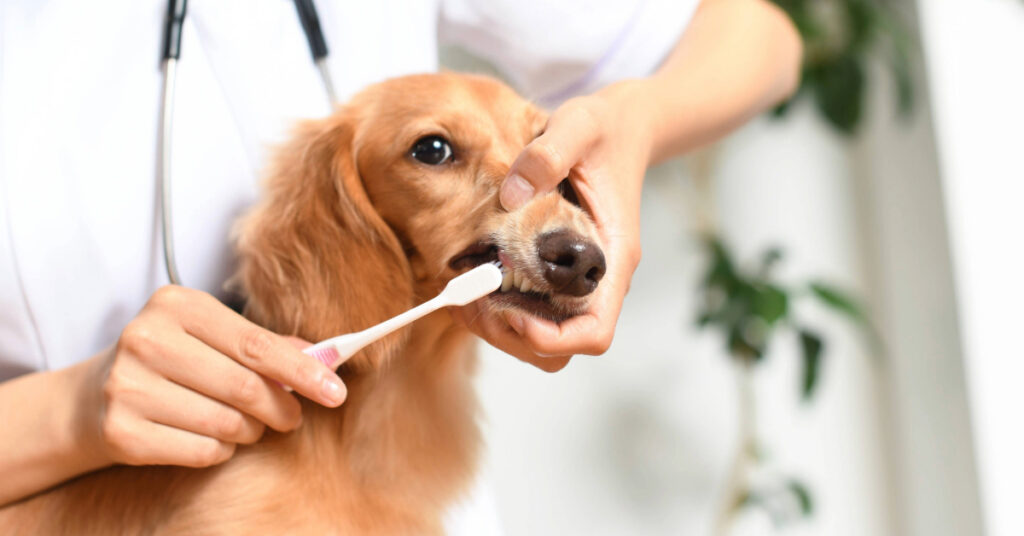
Since dental disease is the leading cause of bad breath in dogs, proactive oral care is one of the most effective preventive steps you can take. Professional dog teeth cleanings at Shawsheen Animal Hospital are the gold standard for managing plaque, tartar, and periodontal disease in dogs. Between professional cleanings, dental health products approved by the Veterinary Oral Health Council (VOHC) can help slow the accumulation of plaque. These include dental chews, water additives, and certain dental diets designed to reduce tartar buildup.
Routine wellness visits at Shawsheen Animal Hospital also allow your veterinarian to monitor your dog’s oral health over time and recommend a dental cleaning schedule appropriate for your dog’s age, breed, and health status. Small breeds tend to develop dental disease faster than larger breeds, so their oral health often requires more frequent attention.
Bad Breath in Dogs Has a Root Cause Worth Finding
Dog bad breath is not just an inconvenience. It’s a signal that something inside your dog’s mouth or body needs attention. Whether it’s dental disease, a systemic condition, or something else entirely, the right diagnosis makes all the difference. The compassionate team at Shawsheen Animal Hospital in Tewksbury, MA is here to help you figure out what’s causing your dog’s halitosis and create a plan to address it. If your dog has persistent bad breath or you’ve noticed any of the warning signs described in this article, please call us at (978) 851-5558 or book an appointment online today. Fresh breath and better health often go hand in hand.