
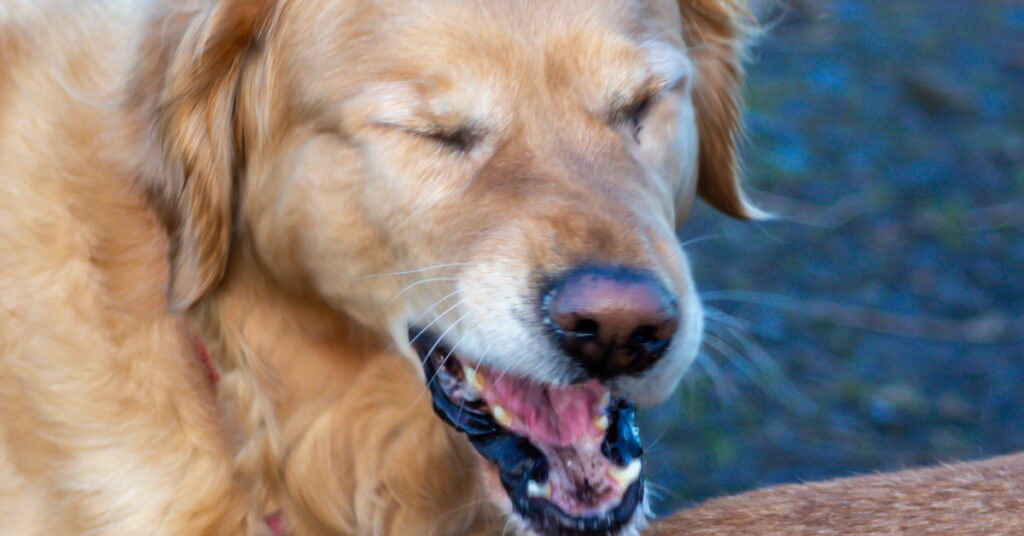
The occasional sneeze is something almost every dog does, and it’s usually nothing to worry about. But when your dog is sneezing repeatedly, sneezing with discharge, or sneezing alongside other symptoms, it’s worth taking a closer look. Sneezing in dogs is a reflexive action designed to expel irritants, foreign material, or mucus from the nasal passages. It can be triggered by something as simple as a bit of dust or as serious as a nasal tumor. If you’ve been noticing your dog sneezing more than usual and wondering what might be behind it, this article is for you. At Shawsheen Animal Hospital in Tewksbury, MA, we want to help you understand what’s normal, what’s not, and when to schedule a visit.
What Causes Dogs to Sneeze?
Dog sneezing has a wide range of possible causes. Some are harmless and self-limiting, while others require veterinary evaluation and treatment. Here are six of the most common reasons your dog may be sneezing, along with what each one can look like.
1. Environmental Irritants and Allergens
One of the most frequent causes of dog sneezing is exposure to environmental irritants. Pollen, dust, mold, smoke, perfume, cleaning products, and even freshly cut grass can irritate the sensitive lining of your dog’s nasal passages and trigger a sneezing response. This type of sneezing is typically intermittent and may be seasonal if allergens like pollen are the cause. If your dog sneezes more during certain times of year or in specific locations, environmental irritants are a likely contributor.
2. Foreign Body in the Nasal Passage
Dogs explore the world with their noses, which means they occasionally inhale small pieces of grass, seeds, plant material, or debris into their nasal passages. A foreign body lodged in the nose is a common cause of sudden, intense, repetitive sneezing in dogs. Your dog may also paw at their nose, have one-sided discharge, or seem distressed. If sneezing comes on very suddenly with no clear environmental explanation, a foreign body should be considered and evaluated by a veterinarian promptly.
3. Upper Respiratory Infections
Upper respiratory infections are a common cause of sneezing in dogs. These infections may be viral or bacterial in origin. Kennel cough (infectious tracheobronchitis), distemper, parainfluenza, and Bordetella are among the pathogens that can cause sneezing alongside nasal discharge, coughing, lethargy, and fever. Dogs in close contact with other dogs, such as those who have recently been boarded, groomed, or visited a dog park, are at greater risk. Vaccination helps protect against several of the most common respiratory pathogens.
4. Nasal Mites
Nasal mites are microscopic parasites that live in the nasal passages and sinuses of dogs. These parasites, known as Pneumonyssoides caninum, can cause intense sneezing, nasal discharge, and sometimes nosebleeds. Dogs typically pick up nasal mites through direct nose-to-nose contact with an infected dog. Nasal mites are not always easy to identify and may require veterinary testing to confirm. The good news is that they are treatable once diagnosed.
5. Dental Disease
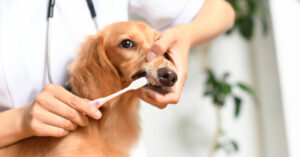
This one surprises many pet owners: dental disease, particularly tooth root infections, can cause sneezing in dogs. The roots of the upper teeth, especially the upper carnassial tooth (the large premolar), sit very close to the nasal passages. When a tooth root becomes infected or abscessed, the infection can migrate into the nasal cavity and cause sneezing, nasal discharge, and sometimes facial swelling. If your dog is sneezing and you notice bad breath, pawing at the mouth, or reluctance to eat, dental disease may be the underlying cause.
6. Nasal Tumors
While less common than the other causes on this list, nasal tumors are an important consideration, especially in middle-aged to older dogs. Nasal tumors can cause chronic, progressive sneezing, nasal discharge that may be bloody or one-sided, facial swelling, and nosebleeds. Unfortunately, nasal tumors in dogs are often diagnosed at an advanced stage because the signs develop gradually. Any dog with chronic, unexplained sneezing, particularly with bloody discharge or facial changes, should be evaluated by a veterinarian. Imaging such as CT scanning is typically required for diagnosis.
What Does Normal Dog Sneezing Look Like?
Not all sneezing is a cause for concern. Dogs sneeze for entirely normal reasons as well. Play sneezing, for instance, is a behavior many dogs display during social interactions with other dogs or with their owners as a signal that their play behavior is friendly and not aggressive. Dogs also sneeze when they roll in grass or when they sniff something with a strong scent. Normal, occasional sneezing without other symptoms is generally nothing to worry about.
When Is Dog Sneezing a Problem?
Knowing when to seek veterinary care for a sneezing dog is important. While a few sneezes here and there are perfectly normal, certain patterns and accompanying symptoms are red flags that warrant a professional evaluation.
Schedule an appointment at Shawsheen Animal Hospital if your dog is experiencing:
- Frequent or repetitive sneezing that lasts more than a day or two
- Nasal discharge, especially if it is thick, colored, or bloody
- Sneezing from only one nostril, which can suggest a foreign body or nasal tumor
- Nosebleeds alongside sneezing
- Sneezing accompanied by lethargy, loss of appetite, or fever
- Facial swelling or deformity near the nose or eyes
- Pawing at the nose or face persistently
How Is the Cause of Dog Sneezing Diagnosed?
Because so many different conditions can cause a dog to sneeze, diagnosis often requires a layered approach. When you bring your sneezing dog to Shawsheen Animal Hospital, our veterinary team will conduct a thorough physical examination, including a careful look at the nasal passages, teeth, lymph nodes, and eyes. We’ll ask detailed questions about when the sneezing started, whether it’s getting worse, and whether any other symptoms are present.
Diagnostic Options for Dog Sneezing
- Rhinoscopy: A small camera is passed into the nasal cavity to look for foreign bodies, masses, inflammation, or parasites. This procedure is performed under anesthesia.
- Imaging (X-rays or CT scan): Helps evaluate the nasal passages, sinuses, and surrounding structures. CT scanning provides the most detailed view and is preferred when a nasal tumor is suspected.
- Nasal cytology or biopsy: Samples from the nasal lining may be analyzed under a microscope to identify infection, inflammation, or tumor cells.
- Dental evaluation: A thorough oral exam, often under sedation with dental X-rays, is performed to identify tooth root infections that may be contributing to sneezing.
- Bloodwork and mite testing: Used to assess overall health and to detect nasal mites or systemic illness.
Protecting Your Dog’s Nasal Health
There are several practical steps you can take to support your dog’s respiratory health and reduce unnecessary sneezing. Keeping your dog up to date on vaccines protects against several respiratory pathogens, including Bordetella and distemper. Scheduling regular wellness exams and dental cleanings at Shawsheen Animal Hospital gives your veterinarian the opportunity to catch problems like tooth root infections or early nasal disease before they progress.
Minimizing your dog’s exposure to smoke, strong chemical cleaners, and aerosolized products in the home is also helpful, particularly for dogs with sensitive airways. If your dog spends time outdoors in areas with dense vegetation, check their nose and face after outdoor activities to spot any plant material that may have been inhaled.
A Sneezing Dog Deserves More Than a Blessing
Dog sneezing can range from an adorable quirk to a sign of something that genuinely needs medical attention. Whether it’s a grass seed, an infection, dental disease, or something more serious, the cause matters. The knowledgeable team at Shawsheen Animal Hospital in Tewksbury, MA is ready to help you get answers and give your dog the care they need. If your dog has been sneezing repeatedly, has nasal discharge, or is showing any of the warning signs listed in this blog, please call (978) 851-5558 or book an appointment online today. Your dog’s comfort and health are always worth investigating.