
Have you ever watched your dog twitch, whimper, or move their paws while they sleep and wondered what they’re dreaming about? Many pet owners ask, “Do dogs dream?” The answer is yes, dogs do dream, and science has shown that their sleep patterns share striking similarities to humans. When your dog dozes off after a long day at the park, their brain enters a series of sleep stages that allow them to process experiences, store memories, and even relive their favorite moments. Understanding how and why dogs dream offers fascinating insight into their emotions, memory, and overall well-being.
What Science Says About Dog Dreams
Researchers have studied the question “Do dogs dream?” for decades, and the evidence strongly suggests they do. Dogs, like humans, experience cycles of rapid eye movement (REM) and non-rapid eye movement (non-REM) sleep. It’s during REM sleep that dreams are most likely to occur. During this stage, the brain becomes highly active even though the body remains mostly still and electrical patterns recorded in sleeping dogs resemble those seen in dreaming humans.
One landmark study from MIT in the early 2000s explored how animals dream by monitoring the brain activity of rats during both waking and sleeping hours. When rats ran through mazes during the day, their brain patterns matched up almost perfectly with patterns recorded during REM sleep. Scientists concluded that rats, and by extension, dogs, likely dream about their daily activities. So, when your dog runs or barks softly in their sleep, they may be replaying a familiar scene, like chasing a ball or playing with you in the yard.
How Dogs Experience Sleep and Dream Cycles
Dogs follow a structured sleep cycle that mirrors that of humans but with shorter durations. Each cycle includes stages of light sleep, deep sleep, and REM sleep. Puppies and older dogs spend more time in REM, possibly because they’re processing new experiences or compensating for reduced sleep quality.
Light Sleep: The Transition Phase
When your dog first falls asleep, their body begins to relax, but their senses remain somewhat alert. You might notice their ears twitch or their nose move as they react to distant sounds or scents. This is a survival instinct inherited from their wild ancestors, allowing them to wake quickly if danger approaches.
Deep Sleep: Rest and Restoration
In deep sleep, your dog’s body repairs tissues, builds muscle, and strengthens the immune system. Breathing slows, heart rate stabilizes, and physical movement decreases. While dreams are less likely during this stage, deep sleep is vital for your pet’s physical health.
REM Sleep: The Dream Stage
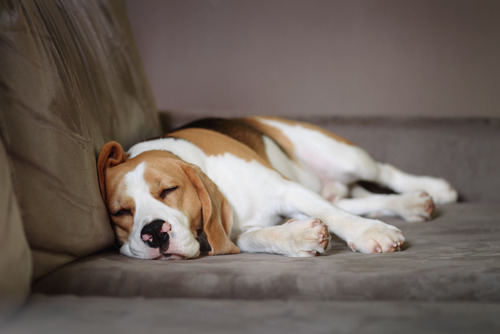
REM sleep usually begins 20–30 minutes after falling asleep. During this stage, your dog’s eyes move rapidly beneath closed lids, their muscles may twitch, and you might notice soft vocalizations or gentle paddling motions. These are classic signs of dreaming. Smaller dogs tend to enter REM more frequently but for shorter periods, while larger dogs experience fewer but longer dream cycles.
What Do Dogs Dream About?
While we can’t ask dogs to describe their dreams, scientific evidence and behavioral cues give us strong hints. Most experts believe that dogs dream about familiar experiences, people, and emotions from their daily lives. Their dreams may replay moments of excitement, play, or affection, like running through the park or greeting their favorite person at the door.
Dreams as Memory Processing
Dogs, like humans, use sleep to organize and store memories. Dreaming helps them process complex emotions and experiences, which may explain why dogs appear calmer and more responsive after a good night’s sleep. It’s possible that during dreams, your dog’s brain revisits key moments from the day to reinforce training or positive associations.
Emotional Dreams
Dogs experience emotions such as joy, fear, and anxiety. These emotions may appear in their dreams as well. If your dog whines or moves restlessly in their sleep, they could be reacting to something emotionally charged, either pleasant or unsettling. This doesn’t mean they’re having nightmares frequently, but it does suggest their dreams are emotionally rich.
Why Dogs Twitch, Bark, or Move in Their Sleep
The small movements you see when your dog sleeps, like paw twitching, tail wagging, or muffled barks are normal physical responses during REM sleep. These actions happen because the brain sends signals that trigger minor muscle contractions. However, the brain stem prevents full muscle activation, keeping dogs from physically acting out their dreams.
Puppies are especially animated during sleep because their nervous systems are still developing. As dogs age, these movements often become less frequent. The amount of twitching and vocalization varies by breed, age, and temperament. A high-energy dog might dream more vividly about active experiences, while a senior dog might show more subtle signs of dreaming.
Can Dogs Have Nightmares?
Many owners wonder if dogs can have bad dreams. The answer appears to be yes. Because dogs dream about real experiences and emotions, they can relive stressful or frightening moments while asleep. A dog that’s had a negative encounter like a loud noise, separation anxiety, or an unpleasant trip to the vet might appear distressed in their sleep.
If your dog growls, whimpers, or thrashes during a nightmare, avoid waking them suddenly. Just like humans, dogs can be disoriented when pulled abruptly from deep sleep. Instead, softly say their name or make a quiet noise to gently rouse them. When they wake, offer calm reassurance and let them settle back to rest.
Do All Dogs Dream the Same Way?
Dream frequency and intensity can vary depending on a dog’s size, age, and breed. Small dogs often dream more frequently, but their dreams are shorter. Larger dogs tend to dream less often, but their dreams last longer. Puppies spend up to half of their sleep time in REM, reflecting how much their brains are learning and growing.
Age Differences
Young dogs dream frequently as they absorb new experiences every day. Senior dogs may dream less often, but their dreams tend to be deeper and longer. This change is linked to slower brain activity and reduced physical movement with age.
Breed Differences
Active breeds, like Border Collies or Labrador Retrievers, may dream more vividly than less energetic breeds because their waking hours are filled with physical and mental activity. Meanwhile, lap dogs might experience more restful, shorter dreams.
How to Support Healthy Sleep for Your Dog
Healthy sleep habits help your dog rest deeply and experience beneficial dream cycles. A comfortable, quiet environment encourages better sleep and allows your pet to dream freely.
Create a Restful Space
Give your dog a cozy, familiar sleeping area away from loud noises and bright lights. Consistency helps your dog relax and fall asleep faster. Avoid disturbing your pet’s sleep whenever possible as interrupted sleep can reduce time spent in REM and affect their mood and energy.
Keep a Regular Schedule
Dogs thrive on routine. Feeding, exercise, and bedtime at consistent times each day promote better-quality sleep. Regular physical activity also helps dogs burn energy, so they settle down more easily at night.
Support Emotional Well-Being
Dogs who feel safe and emotionally balanced tend to sleep better. Providing affection, mental stimulation, and social interaction during the day can help reduce stress and support peaceful sleep at night.
Your Dog’s Dreams Are a Window Into Their Mind
Watching your dog dream is more than a heartwarming moment, it’s a glimpse into how their brain processes the world around them. The answer to “Do dogs dream?” is a resounding yes, backed by years of research and countless wagging tails. When your dog kicks their paws or softly barks in their sleep, they’re likely reliving their favorite activities, replaying joyful memories, or simply exploring their imagination.
Quality sleep contributes to a happier, more alert pet. If you ever notice significant changes in your dog’s sleep patterns such as restlessness, excessive fatigue, or nighttime distress, it’s always best to schedule an exam to rule out underlying issues. The team at Shawsheen Animal Hospital in Tewksbury, MA provides caring, knowledgeable support for your pet’s overall health and comfort. Call (978) 851-5558 or book an appointment online today to ensure your dog enjoys restful sleep and sweet dreams every night.