

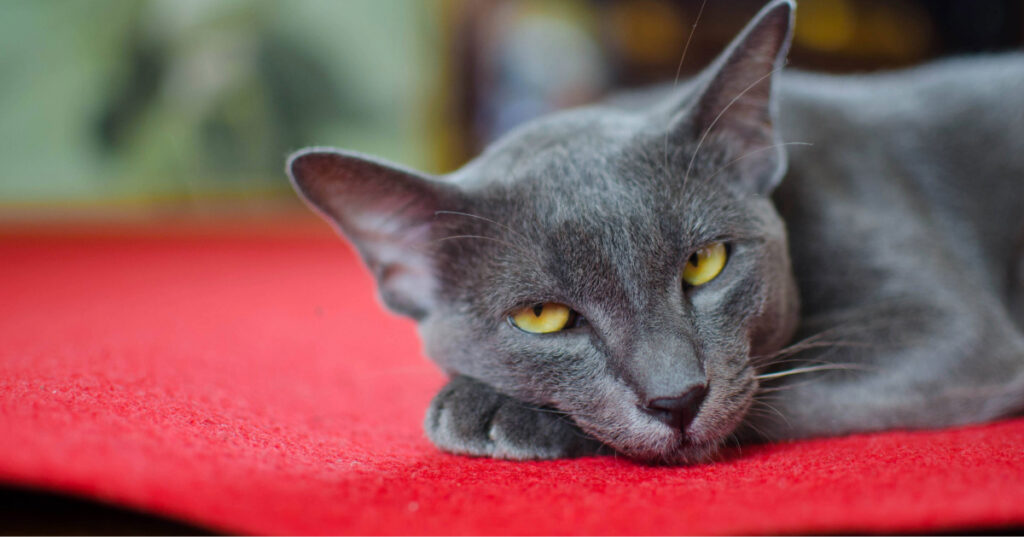
Cat lethargy is an abnormal lack of energy, enthusiasm, or responsiveness that goes well beyond your cat’s normal resting behavior. A lethargic cat isn’t just tired. They seem weak, disengaged from their surroundings, uninterested in food, and may stop grooming altogether. That shift in behavior matters, because lethargy in cats is one of the most consistent signs that something is medically wrong. The challenge is that the list of possible causes is long, spanning infections, organ disease, pain, toxin exposure, and cancer. This guide covers eight of the most common reasons for cat lethargy, how to tell the difference between a cat who needs rest and one who needs a vet, and when to call Shawsheen Animal Hospital in Tewksbury, MA.
How to Tell If Your Cat Is Lethargic vs. Just Tired
Because cats naturally sleep so much, distinguishing true lethargy from normal tiredness is an important skill. A well-rested, healthy cat wakes up alert, responds to sounds and movement, shows interest in food, and is willing to engage with their environment. A lethargic cat, by contrast, may be difficult to rouse, seem confused or dull-eyed when awake, refuse food, and show no interest in interacting with people or other pets. If your cat’s energy level has dropped noticeably compared to their normal baseline, or if the change has lasted more than 24 to 48 hours, that’s a signal worth paying attention to.
8 Common Causes of Cat Lethargy
A lethargic cat can be dealing with something as manageable as a mild infection or as serious as organ failure. Here are eight of the most frequent reasons veterinarians see cats for lethargy.
Infections
Bacterial, viral, and fungal infections are among the most common causes of lethargy in cats. Upper respiratory infections, urinary tract infections, and systemic infections like feline infectious peritonitis (FIP) can all sap your cat’s energy. Fever, which often accompanies infection, is itself a major contributor to lethargy. If your cat is lethargic and also sneezing, has discharge from the eyes or nose, or seems to be straining in the litter box, an infection may be the cause.
Anemia
Anemia, a condition in which the blood has an insufficient number of red blood cells or hemoglobin, is a significant cause of cat lethargy. Without enough red blood cells, the body’s tissues don’t receive adequate oxygen, leading to profound weakness and fatigue. Anemia in cats can result from blood loss, destruction of red blood cells (as in immune-mediated hemolytic anemia), or decreased production due to bone marrow disease or chronic illness. Pale, white, or grayish gums are a key sign of anemia and should prompt an immediate vet visit.
Kidney Disease
Chronic kidney disease is one of the most common health problems in older cats, and lethargy is one of its hallmark signs. As the kidneys lose their ability to filter waste from the bloodstream, toxins accumulate and make the cat feel chronically unwell. Cats with kidney disease are often lethargic alongside other signs like increased thirst, frequent urination, weight loss, vomiting, and decreased appetite. Kidney disease is diagnosed through bloodwork and urinalysis and can often be managed effectively when caught early.
Hyperthyroidism
Hyperthyroidism is the most common hormonal disorder in older cats and occurs when the thyroid gland produces excessive amounts of thyroid hormone. While many cats with hyperthyroidism are initially hyperactive and lose weight despite a good appetite, some cats, particularly those with concurrent illness, can present as lethargic. If your older cat is losing weight, has a poor coat, or seems either unusually restless or unusually dull, hyperthyroidism should be evaluated with a simple blood test.
Heart Disease
Feline heart disease, particularly hypertrophic cardiomyopathy (HCM), can cause lethargy when the heart becomes unable to pump blood efficiently. Cats with heart disease may tire easily, breathe rapidly, or suddenly lose the ability to use their hind limbs due to a clot (aortic thromboembolism). Because many cats with heart disease show no symptoms until the condition is quite advanced, regular veterinary checkups are essential for early detection. A lethargic cat that also breathes rapidly at rest or with their mouth open needs emergency evaluation.
Pain
Cats are notoriously stoic and often hide pain, which means lethargy may be the only outward sign that a cat is hurting. Dental pain, arthritis, urinary obstruction, trauma, and abdominal pain are all common sources of pain-related lethargy in cats. If your cat seems reluctant to jump, move around, or be touched, or if they’re hunching their back or sitting in an unusual posture, pain may be a contributing factor to their low energy levels.
Toxin Ingestion or Poisoning
Cats that have ingested a toxin, whether a household chemical, a toxic plant, a medication, or a poisonous substance, can become profoundly lethargic very quickly. Common toxic plants for cats include lilies, which are especially dangerous and can cause acute kidney failure. Other toxins include essential oils, certain human medications, antifreeze, and insecticides. If your cat has been exposed to any of these substances and suddenly becomes lethargic, disoriented, or unresponsive, this is a veterinary emergency and requires immediate care.
Cancer
Cancer is unfortunately relatively common in cats, particularly as they age, and lethargy is one of the most consistent signs. Lymphoma, the most common cancer in cats, frequently causes lethargy alongside weight loss, vomiting, diarrhea, and a poor appetite. Other types of cancer, including mammary tumors and oral tumors, can also cause systemic signs including low energy. A cat with unexplained and progressive lethargy, especially an older cat, should be evaluated thoroughly to rule out neoplasia.
When Should You Call the Vet for a Lethargic Cat?
Because cat lethargy can signal so many different underlying conditions, it’s generally better to err on the side of caution. The following symptoms alongside lethargy should prompt an urgent call to Shawsheen Animal Hospital or an emergency clinic:
- Not eating or drinking for more than 24 hours
- Pale, white, blue, or yellowish gums
- Rapid or labored breathing, or breathing with the mouth open
- Sudden hind limb weakness or paralysis
- Vomiting or diarrhea alongside lethargy
- Straining in the litter box, especially in male cats (possible urinary blockage)
- Known or suspected toxin exposure
- Seizures or disorientation
If your cat has been lethargic for more than 24 to 48 hours without an obvious explanation, such as recovering from a recent procedure or a known stressful event, a veterinary evaluation is warranted even if none of the above red flags are present. Lethargy that lingers is always worth investigating.
How Veterinarians Diagnose Cat Lethargy
Diagnosing the cause of lethargy in a cat requires a methodical approach. When you bring your lethargic cat to Shawsheen Animal Hospital, our veterinary team will conduct a thorough physical examination and ask detailed questions about the timeline of symptoms, your cat’s diet, environment, potential exposures, and medical history. This information helps guide the most appropriate diagnostic workup.
Common Diagnostic Tests for Cat Lethargy
- Complete blood count (CBC): Evaluates red and white blood cell counts and platelets. Helps identify anemia, infection, and certain cancers.
- Blood chemistry panel: Assesses kidney function, liver function, blood glucose, electrolytes, and other markers of organ health.
- Urinalysis: Used to evaluate kidney function, detect urinary tract infections, and check for other abnormalities.
- Thyroid hormone level (T4): A blood test that screens for hyperthyroidism in cats, particularly those over 7 years of age.
- Imaging (X-rays or ultrasound): Used to evaluate the heart, lungs, abdomen, and internal organs for structural abnormalities, fluid, masses, or other changes.
- Feline infectious disease testing: Testing for FIV, FeLV, FIP, and other infectious diseases may be recommended depending on your cat’s history and risk factors.
The Role of Preventive Care in Catching Lethargy Early
One of the best things you can do to protect your cat’s health is to schedule regular wellness exams, even when your cat seems fine. Many of the conditions that cause cat lethargy, including kidney disease, hyperthyroidism, heart disease, and early-stage cancer, can be detected through routine bloodwork and physical examination before they become serious. Cats are masters at hiding illness, which makes the veterinarian’s trained eye all the more important.
Shawsheen Animal Hospital recommends annual wellness visits for younger adult cats and twice-yearly visits for senior cats (typically those 7 years and older). These visits give your veterinarian the opportunity to track changes in your cat’s weight, bloodwork, and physical condition over time, catching subtle shifts that might otherwise go unnoticed.
A Tired Cat Is Worth a Second Look
Cat lethargy may seem like a vague and unremarkable symptom, but it’s one of the most consistent ways cats signal that something isn’t right. Whether it’s an infection, organ disease, pain, or something more serious, a cat that has lost their spark deserves attentive care and a thorough evaluation. The team at Shawsheen Animal Hospital in Tewksbury, MA is experienced in diagnosing the wide range of conditions that cause lethargy in cats. If your cat seems unusually tired, less engaged, or just not themselves, call (978) 851-5558 or book an appointment online today.