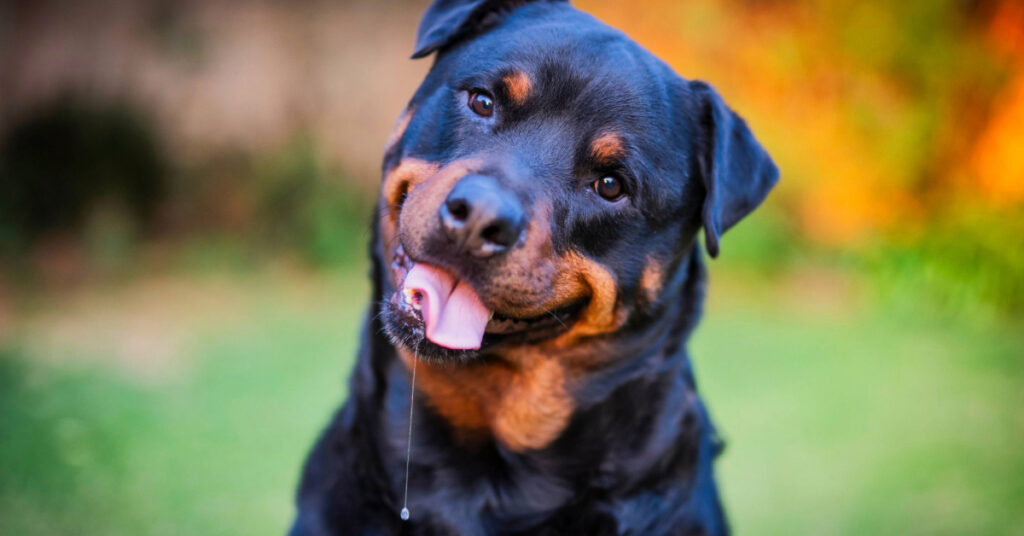
A little drool is perfectly normal for dogs, especially after a good meal or during an exciting walk. But when your dog suddenly starts drooling excessively, or when the drooling doesn’t seem to have an obvious explanation, it’s worth paying attention. Excessive dog drooling, also called hypersalivation or ptyalism, occurs when the salivary glands produce more saliva than the dog can swallow. This can be a fleeting response to something in the environment, or it can be a sign of an underlying health issue that needs veterinary care. If you’ve been asking yourself, “Why is my dog drooling so much?” this guide is for you. We’ll walk you through the most common causes of dog drooling, what warning signs to watch for, and when it’s time to call Shawsheen Animal Hospital in Tewksbury, MA.
Is It Normal for Dogs to Drool?
Yes, some level of drooling is completely normal in dogs. Saliva plays a critical role in digestion and oral health, and dogs naturally produce more of it in anticipation of food. However, the amount of drooling that’s considered normal varies significantly by breed. Some breeds are genetically predisposed to heavy drooling due to the shape of their lips and jowls.
Breeds That Drool More Than Others
Certain dog breeds are well known for producing large amounts of saliva. If you have one of these breeds, regular drooling may simply be part of life with your dog. Breeds that tend to drool heavily include:
- Bloodhounds
- Basset Hounds
- Saint Bernards
- Newfoundlands
- Mastiffs and Bullmastiffs
- Bulldogs and Boxers
- Great Danes
If you have a breed that doesn’t typically drool much and you’ve noticed a sudden or significant change, that shift is more meaningful and deserves attention. Knowing your dog’s baseline is the first step in recognizing when something is off.
Common Causes of Excessive Dog Drooling
There are many possible reasons why your dog is drooling more than usual. Some are relatively minor, while others can indicate a serious medical condition. Here’s a breakdown of the most common causes of excessive drooling in dogs.
Nausea and Motion Sickness
Dogs that feel nauseated often drool heavily. This can happen during car rides, after eating something that doesn’t agree with them, or as a precursor to vomiting. If your dog drools specifically during travel, motion sickness is likely the culprit. Your veterinarian can recommend safe options to manage this.
Dental Disease and Oral Pain
Dental disease is one of the most common causes of excessive dog drooling. Periodontal disease, tooth abscesses, broken teeth, and oral infections can all lead to increased saliva production and drooling. You may also notice your dog pawing at their mouth, difficulty eating, bad breath, or visible swelling along the jaw. Regular dental care at Shawsheen Animal Hospital helps prevent these issues from developing into painful, serious problems.
Something Stuck in the Mouth or Throat
A foreign object, bone fragment, or stick lodged in a dog’s mouth, between the teeth, or at the back of the throat can trigger sudden and significant drooling. Dogs may also paw at their face, gag, or appear distressed. If you suspect something is caught in your dog’s mouth or throat, contact your vet right away. Do not attempt to remove the object yourself without guidance, as this can cause further injury.
Toxin Ingestion
Many common household items, plants, and foods are toxic to dogs and can trigger sudden, profuse drooling. Toad encounters, insecticide exposure, poisonous plants like sago palm, and certain human foods can all cause this reaction. Excessive dog drooling that comes on suddenly and is accompanied by trembling, vomiting, or disorientation after potential toxin exposure is a medical emergency. Contact your vet at Shawsheen Animal Hospital or an animal poison control hotline immediately.
Anxiety and Stress
Dogs experiencing fear, anxiety, or significant stress may drool excessively. Common triggers include thunderstorms, fireworks, separation, vet visits, or new environments. If the drooling is clearly connected to a stressful event and resolves once the stressor is removed, anxiety is the likely cause. Your veterinarian can discuss strategies to help manage your dog’s stress responses.
Upper Respiratory Infections
Infections affecting the nose, throat, or sinuses can cause your dog to drool more than usual. When a dog can’t breathe comfortably through its nose, it often breathes through its mouth, which leads to increased saliva and drooling. Signs such as coughing, nasal discharge, or difficulty breathing alongside drooling may suggest a respiratory issue.
Neurological Issues
Conditions affecting the nerves that control swallowing can lead to excessive drooling in dogs. Facial nerve paralysis, megaesophagus, and other neurological disorders can make it difficult for a dog to swallow normally. If you notice your dog struggling to swallow, tilting their head, or showing signs of weakness alongside the drooling, a neurological evaluation may be warranted.
Organ Disease
Kidney disease and liver failure can both cause excessive drooling in dogs. These conditions produce toxins that build up in the bloodstream and can affect saliva production. Dogs with organ disease often show other signs including weight loss, lethargy, increased thirst, and changes in urination. Bloodwork is typically required to diagnose these conditions.
When Should I Be Worried About My Dog Drooling?
Knowing when to call the vet is one of the most important skills a dog owner can develop. Not every instance of dog drooling requires an emergency visit, but certain signs should prompt you to seek care right away.
Contact Shawsheen Animal Hospital promptly if your dog’s drooling is accompanied by any of the following:
- Sudden onset of heavy drooling with no clear cause
- Vomiting, diarrhea, or signs of abdominal pain
- Trembling, seizures, or disorientation
- Pale gums or difficulty breathing
- Visible swelling around the face, jaw, or throat
- Suspected ingestion of a toxin or poisonous plant
- Drooling that persists for more than a day without improvement
- Blood in the saliva
When drooling is accompanied by behavioral changes, loss of appetite, or other new symptoms, a veterinary evaluation is always the right step.
What to Expect During a Dog Drooling Evaluation
When you bring your dog to Shawsheen Animal Hospital for excessive drooling, our team will conduct a thorough physical examination that includes a detailed look at the mouth, teeth, throat, and lymph nodes. We’ll also ask about your dog’s history, recent exposures, diet, and any other symptoms you’ve noticed. Depending on what the exam reveals, we may recommend additional diagnostics to pinpoint the cause.
Diagnostic Tools We May Use
- Oral examination under sedation: Allows a thorough look at every surface of the mouth, including areas that are difficult to visualize in an awake patient. Helps identify dental disease, foreign bodies, or oral masses.
- Bloodwork and urinalysis: Screens for organ dysfunction, infection, or metabolic conditions that may be driving increased salivation.
- Imaging (X-rays or ultrasound): Helpful for identifying foreign bodies, swallowing abnormalities, or structural issues in the esophagus or surrounding tissues.
- Neurological assessment: Performed if the drooling appears to be related to difficulty swallowing or other neurological signs.
Supporting Your Dog’s Oral and Overall Health
Routine dental care is one of the most effective ways to prevent one of the top causes of excessive drooling in dogs. Scheduling regular professional dental cleanings, checking your dog’s mouth periodically for signs of redness, swelling, or broken teeth, and feeding a diet appropriate for your dog’s size and age all contribute to better oral health.
It’s also important to keep potentially toxic substances out of your dog’s reach, whether that’s household cleaners, certain plants, or foods like grapes and chocolate. Being aware of your dog’s environment and any potential exposures can help you respond quickly if something changes.
A Drooling Dog Deserves Answers
Excessive dog drooling can be easy to dismiss, especially if your pup seems otherwise happy. But drooling is often your dog’s way of telling you something isn’t right. Our compassionate team at Shawsheen Animal Hospital in Tewksbury, MA is equipped to help you figure out what’s going on and get your dog feeling comfortable again. If you’ve noticed a change in how much your dog drools, or if the drooling is new and unexplained, call (978) 851-5558 or book an appointment online today. Your dog’s health and comfort are worth investigating.