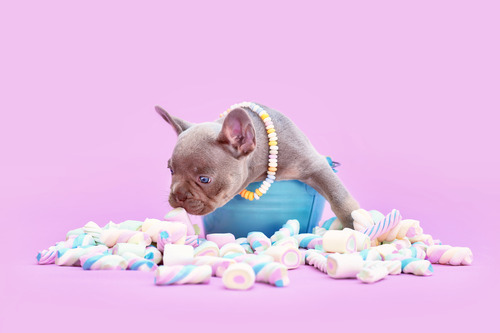
Many pet owners wonder, “Can dogs eat marshmallows?” While these sweet, fluffy treats might seem harmless, marshmallows aren’t a healthy snack for your dog. Most marshmallows contain sugar, corn syrup, and artificial ingredients that can upset your dog’s stomach and contribute to long-term health issues. Even sugar-free marshmallows can be dangerous, especially those made with xylitol, which is toxic to dogs. In short, it’s best to keep marshmallows out of your pet’s diet and stick to dog-safe treats instead.
At Shawsheen Animal Hospital in Tewksbury, MA, we understand how tempting it is to share your favorite snacks with your pup. But before offering human food, it’s important to know what’s safe and what’s not. Let’s explore why marshmallows can pose risks for dogs and what healthier alternatives you can give instead.
Can Dogs Eat Marshmallows? The Short Answer
When it comes to whether dogs can eat marshmallows, the answer is generally no. While a single, plain marshmallow might not immediately harm your dog, regular consumption or certain ingredients can cause serious problems. Marshmallows are high in sugar and calories, providing no nutritional value for dogs. They can also lead to issues like gastrointestinal upset, weight gain, and even pancreatitis.
The Ingredients That Make Marshmallows Unsafe for Dogs
Marshmallows typically contain:
- Sugar and corn syrup – These can spike your dog’s blood sugar, increase the risk of obesity, and cause digestive discomfort.
- Gelatin – While not harmful on its own, it’s unnecessary in your dog’s diet when mixed with sweeteners and flavorings.
- Artificial colors and flavors – Additives may trigger allergic reactions or sensitivities.
- Xylitol (in sugar-free marshmallows) – This ingredient is extremely toxic to dogs, even in small amounts. It can cause life-threatening drops in blood sugar and liver failure.
Even if your dog seems fine after eating a marshmallow, it’s not a good idea to make it part of their regular routine. Dogs don’t process sugar and additives the same way humans do, and these ingredients can build up over time, harming their health.
What Happens if a Dog Eats Marshmallows?
If your dog eats a regular marshmallow, they might experience mild symptoms like bloating, gas, or diarrhea. However, if they eat a large number of marshmallows or any containing xylitol, the situation could become serious.
Symptoms to Watch For
If your dog eats marshmallows, monitor for:
- Vomiting or diarrhea
- Loss of appetite
- Lethargy or weakness
- Trembling or unsteadiness
- Seizures (in severe cases, often linked to xylitol toxicity)
If your dog consumes sugar-free marshmallows or shows concerning symptoms, contact Shawsheen Animal Hospital right away at (978) 851-5558. Prompt veterinary care can make a significant difference.
Why Sugar and Artificial Sweeteners Are Harmful to Dogs
Many dog owners underestimate how even small amounts of sugar or artificial sweeteners can impact their pet’s health. Dogs’ digestive systems aren’t designed to handle refined sugars, and repeated exposure can lead to multiple long-term issues.
Health Risks of Sugary Snacks
Too much sugar can cause:
- Weight gain and obesity, which put strain on joints and organs
- Tooth decay, leading to bad breath and dental disease
- Diabetes, especially in older or overweight dogs
- Digestive upset, including vomiting and diarrhea
The Dangers of Xylitol
Xylitol, a common sugar substitute, is one of the most toxic sweeteners for dogs. It can cause a rapid release of insulin, leading to dangerously low blood sugar (hypoglycemia) and potential liver damage. Even one small piece of sugar-free candy or marshmallow containing xylitol can be fatal. Because xylitol toxicity can develop quickly, never wait to “see how your dog feels.” Instead, seek immediate veterinary attention if you suspect your dog has eaten anything containing this ingredient.
Safe and Healthy Alternatives to Marshmallows
Just because your dog can’t enjoy marshmallows doesn’t mean they have to miss out on treats! There are plenty of safer, healthier options that satisfy their cravings without risking their health.
Dog-Friendly Treat Options
Try offering your dog:
- Small pieces of fruit, like apple slices (without seeds), blueberries, or banana
- Plain carrots or green beans for a crunchy, low-calorie snack
- Peanut butter (xylitol-free) spread on a biscuit or toy for enrichment
- Vet-approved dog treats made with whole ingredients and no artificial sweeteners
If you love baking, you can even make homemade dog treats with ingredients like pumpkin puree, oats, and peanut butter. Always check with your veterinarian before introducing new foods to your dog’s diet.
What to Do If Your Dog Eats Marshmallows Accidentally
Accidents happen, especially when dogs are curious or quick to grab food from the counter. If your dog eats a marshmallow or an entire bag of them, take note of what kind they were and how many your dog ate.
Steps to Take Right Away
- Check the packaging – Look for xylitol or other artificial sweeteners in the ingredients list.
- Monitor your dog – Watch for any unusual behavior, vomiting, or lethargy.
- Call your veterinarian – Even if your dog seems fine, it’s better to call Shawsheen Animal Hospital at (978) 851-5558 as soon as possible for professional guidance.
- Keep the packaging – Bring it to your appointment if you need to visit the vet, as it helps identify potential toxins.
Quick action helps veterinarians assess the situation and decide if treatment is needed.
Preventing Accidental Ingestion at Home
Dogs are naturally curious about food, so prevention is key when it comes to keeping harmful snacks like marshmallows out of reach.
Smart Prevention Tips
- Store sweets securely – Keep candy and marshmallows in cabinets or on high shelves.
- Educate family members – Make sure everyone, especially children, knows not to share human snacks with pets.
- Use pet-safe treats – Keep a stash of approved snacks handy so your dog doesn’t feel left out when the family enjoys dessert.
Supporting Your Dog’s Health with Proper Nutrition
A balanced, veterinarian-approved diet helps your dog thrive and reduces the temptation to feed them human treats. Dogs benefit from a consistent feeding schedule with food formulated for their size, age, and health needs. If you’re ever unsure about what treats or snacks are safe, our veterinary team can provide personalized guidance. At Shawsheen Animal Hospital, we focus on helping you make informed choices that support your pet’s long-term health and happiness.
Choose Treats That Show Your Dog You Care
Sharing food feels like love, but the best way to show care is by giving your dog safe, nutritious treats. While marshmallows might look fun and harmless, they can do more harm than good. Sticking to vet-approved snacks ensures your pet stays healthy while still enjoying tasty rewards. If you have questions about whether dogs can eat marshmallows or need advice on safe treat options, contact Shawsheen Animal Hospital in Tewksbury, MA at (978) 851-5558 or book an appointment online today. Our team is here to help you make every treat choice a safe one.