

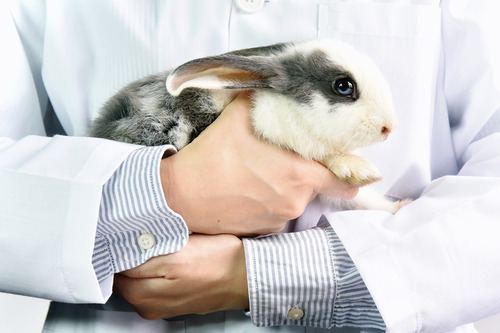
Exotic pets such as reptiles, birds, rabbits, and small mammals require specialized veterinary care that goes beyond what most traditional pet owners expect. While dogs and cats typically see a veterinarian once or twice a year, many exotic pets need even more frequent visits to maintain their health. Regular checkups with an exotic vet help detect early signs of illness, monitor diet and habitat conditions, and ensure your unique pet thrives. At Shawsheen Animal Hospital in Tewksbury, MA, our experienced exotic vets understand the unique needs of each species and are here to provide the expert care your pet deserves.
The Importance of Routine Visits with an Exotic Vet
Exotic Pets Hide Signs of Illness
Exotic pets often hide signs of illness until their condition becomes severe. Because of this natural instinct, even attentive owners may not realize something is wrong until it’s too late. Regular wellness visits give an exotic vet the chance to perform thorough physical exams, discuss your pet’s daily care, and identify subtle changes that could indicate underlying issues.
What to Expect During Routine Exams
During these visits, your exotic vet will check for changes in body weight, skin and feather condition, dental health, and organ function. They’ll also ask about your pet’s diet, lighting, temperature, and housing, all factors that play a major role in exotic animal health. Routine exams establish a health baseline, which helps your veterinarian recognize when something is off and address it before it becomes serious.
Preventive Care and Early Intervention
Preventive care is just as important for exotic pets as it is for dogs and cats. Regular checkups with an exotic vet can help prevent nutritional deficiencies, respiratory infections, and metabolic diseases, all of which can shorten your pet’s lifespan if left untreated.
Why Specialized Care Matters for Exotic Species
Not all veterinarians have the advanced training needed to care for exotic pets. These animals have unique anatomies, diets, and environmental needs that differ greatly from traditional companion animals. Choosing an exotic vet means working with a doctor who understands these differences and can provide the precise care your pet requires.
Reptiles and Amphibians
Reptiles and amphibians depend heavily on their environment for survival. Incorrect humidity, temperature, or lighting can cause serious health issues, such as metabolic bone disease or respiratory infections. An exotic vet will review your setup and offer guidance to ensure your reptile’s habitat supports its specific biological needs.
Birds
Birds often mask signs of illness until they are very sick. Regular visits to an exotic vet allow for early detection of conditions like feather plucking, obesity, or respiratory infections. A veterinarian experienced in avian medicine can also assess beak and nail health, discuss behavioral concerns, and help you fine-tune your bird’s diet for optimal feather quality and longevity.
Small Mammals
Rabbits, guinea pigs, ferrets, and hedgehogs all have specialized dietary and dental needs. Overgrown teeth, obesity, or gastrointestinal stasis can develop quickly without proper monitoring. An exotic vet can help you manage these risks through consistent wellness visits, nutritional counseling, and dental checkups.
The Role of Nutrition and Habitat in Exotic Pet Health
Exotic pets rely on their owners to provide the right balance of diet, light, and temperature. These environmental and nutritional factors directly affect their immune systems and long-term health. An exotic vet can guide you through the specific requirements of your pet’s species and lifestyle to prevent common illnesses.
Proper Diet and Supplementation
Each exotic species has unique nutritional needs. Birds may require a mix of seeds, pellets, and fresh produce; reptiles may depend on insects or specialized greens. During your visit, your exotic vet will discuss your pet’s diet, recommend species-appropriate supplements, and identify potential imbalances that could lead to disease.
Environmental Enrichment and Comfort
Habitat design is another key factor in exotic pet care. An exotic vet can evaluate your pet’s enclosure for adequate space, lighting, humidity, and temperature gradients. Even minor adjustments can significantly improve your pet’s comfort and behavior, reducing stress-related illnesses and encouraging natural activity.
Early Detection of Health Problems
Regular visits to an exotic vet play a critical role in detecting and managing early health concerns. Many exotic pets are prey animals, meaning they instinctively hide signs of illness to avoid appearing vulnerable. Unfortunately, this behavior makes it difficult for owners to recognize problems early.
During an exam, your exotic vet may perform diagnostic tests such as bloodwork, fecal analysis, or imaging to detect internal issues that are not visible to the naked eye. These screenings help identify infections, organ dysfunction, or metabolic imbalances before they escalate. By catching illnesses in their early stages, your exotic vet can recommend appropriate treatment plans that support recovery and improve your pet’s overall quality of life.
How Often Should You Visit an Exotic Vet?
The frequency of visits to an exotic vet depends on your pet’s species, age, and overall health. Most exotic pets should see their veterinarian at least once a year, though some may benefit from biannual checkups. Young, senior, or medically complex pets may need more frequent visits to monitor development and ongoing health concerns. Your exotic vet can help you establish an appropriate care schedule tailored to your pet’s individual needs. These visits often include:
- Weight and nutritional assessments
- Beak, tooth, or nail trimming (if necessary)
- Parasite prevention recommendations
- Behavior and enrichment discussions
- Review of habitat conditions and diet adjustments
Even if your pet seems perfectly healthy, these visits are vital for maintaining their well-being and preventing long-term issues.
What to Expect During an Exotic Vet Visit
If you’ve never brought your exotic pet to the vet before, knowing what to expect can help ease any anxiety. At Shawsheen Animal Hospital, your visit begins with a detailed discussion about your pet’s care routine. Your exotic vet will perform a thorough physical exam, observe behavior, and ask about your pet’s diet and environment. They may recommend diagnostic testing to check internal health or suggest small habitat modifications to improve comfort and prevent illness. You’ll also have the opportunity to ask questions about handling, nutrition, and enrichment to better understand your pet’s care. Your exotic vet’s goal is to partner with you to create a long-term care plan that keeps your pet healthy and thriving for years to come.
Building a Lifelong Relationship with Your Exotic Vet
Having an ongoing relationship with an exotic vet ensures continuity of care throughout your pet’s life. Regular visits help your veterinarian track changes in your pet’s health, behavior, and environment over time. This familiarity allows them to notice subtle shifts that might otherwise go unnoticed. An exotic vet who knows your pet’s history can provide tailored recommendations that evolve as your pet ages. They can also assist in planning for major life stages like breeding, aging, or transitions between environments, so your pet always receives the best possible care. Choosing a trusted exotic vet in Tewksbury means you’re investing in your pet’s health, happiness, and longevity.
Give Your Exotic Pet the Care They Deserve
Every exotic pet deserves the same level of medical attention and compassion as a cat or dog. Routine wellness visits with an exotic vet help identify potential health problems early, improve habitat and diet management, and provide peace of mind for you as a pet owner. If you share your home with a reptile, bird, rabbit, or small mammal, make your pet’s health a priority. Schedule an appointment for exotic vet care at Shawsheen Animal Hospital in Tewksbury, MA today. Call (978) 851-5558 or book online to give your exotic pet the expert care they need to live their happiest, healthiest life.