

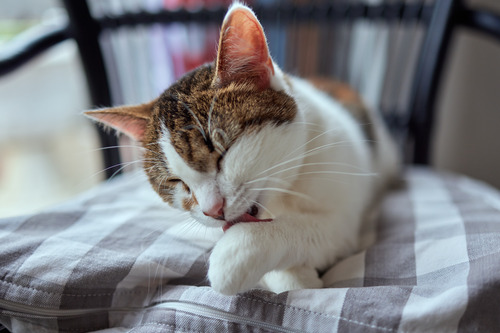
Cat hairballs are common, but they aren’t always completely normal. A cat hairball forms when your cat grooms and swallows loose fur that collects in their stomach. Most of the time, your cat can pass this hair naturally through their digestive system. However, when too much fur builds up, it can form a hairball that your cat tries to cough or vomit up. Occasional cat hairballs may be expected, but frequent or difficult episodes could signal an underlying issue that needs attention from your veterinarian. At Shawsheen Animal Hospital in Tewksbury, MA, we help pet owners understand what’s normal for their cat and when it’s time to schedule an exam. If you’re concerned about your cat’s hairballs, call (978) 851-5558 or book an appointment online today!
What Causes Hairballs in Cats?
Hairballs, also known as trichobezoars, form when cats ingest hair while grooming. Since cats are meticulous cleaners, they use their tongues to remove loose or dead fur from their coats. This fur often travels down the digestive tract, where it usually passes through without a problem. However, some fur can stay behind in the stomach, gradually clumping together into a mass and this is the cat hairball you might later see on your floor.
Grooming Habits and Coat Type
Long-haired breeds such as Persians and Maine Coons are more prone to cat hairballs because of their dense coats. Cats that shed heavily or groom excessively may also ingest more hair than their system can handle. Even short-haired cats can develop hairballs, especially during shedding seasons like spring and fall.
Digestive Transit and Hair Accumulation
When the digestive process slows down, hair can accumulate rather than pass through smoothly. Cats with mild digestive issues or older cats with reduced motility may be more likely to develop hairballs.
Environmental and Health Factors
Dry indoor air, stress, skin conditions, or parasites that increase shedding can all contribute to more frequent cat hairball episodes. In some cases, a cat that grooms obsessively due to anxiety or allergies may swallow more fur than usual.
How Often Should Cats Get Hairballs?
An occasional cat hairball, perhaps once every few weeks or months, can be considered normal. However, frequent or persistent hairballs are not typical and might point to an underlying concern. Cats that frequently hack, gag, or vomit without producing a hairball may also be struggling with something more serious.
Signs It’s Time to Talk to Your Vet
If your cat is producing hairballs weekly or seems to have trouble passing them, it’s time to schedule a veterinary visit. Other signs that may accompany abnormal cat hairball activity include:
- Persistent coughing or gagging without bringing up a hairball
- Loss of appetite or refusal to eat
- Constipation or changes in litter box habits
- Lethargy or reduced grooming behavior
- Swelling or discomfort in the abdomen
While cat hairballs are common, they shouldn’t interfere with your pet’s appetite or energy level. Your veterinarian can help determine whether a medical issue such as a blockage or digestive disorder is present
Diagnosing and Managing Cat Hairball Problems
When hairballs become a frequent problem, your veterinarian will take a closer look to understand the cause. At Shawsheen Animal Hospital, we perform a physical exam and may recommend diagnostic tests to rule out other digestive conditions or blockages.
Physical Exam and History
Your vet will ask questions about your cat’s grooming habits, diet, and frequency of hairballs. They’ll also palpate the abdomen to feel for any unusual masses or discomfort.
Diagnostic Testing
If hairballs seem excessive or your cat shows signs of distress, your vet may recommend X-rays, bloodwork, or an ultrasound. These tools help identify whether hair or other material is creating an obstruction in the gastrointestinal tract.
Preventive and Supportive Recommendations
Once a cause is determined, your vet will discuss practical ways to help reduce hairball formation, such as regular brushing, hydration support, and dietary adjustments. Each cat’s needs are different, so your veterinarian will tailor their guidance to your pet’s health and lifestyle.
Ways to Help Reduce Cat Hairballs
While some hairballs are unavoidable, there are several steps cat owners can take to help minimize them. Preventive care and regular maintenance can make a big difference in your cat’s comfort and overall digestive health.
Routine Grooming
Frequent brushing removes loose hair before your cat can ingest it. Long-haired cats may need daily grooming, while short-haired cats benefit from brushing a few times per week. Regular grooming also helps reduce shedding and strengthens the bond between you and your cat.
Diet and Hydration
Cats that eat high-quality, balanced food are less likely to develop excessive shedding or poor coat health. Adequate hydration also supports smooth digestion, helping hair pass naturally through the system. You can encourage your cat to drink more water by providing multiple bowls or a pet water fountain.
Environmental Enrichment
Stress can increase grooming behavior in cats. Providing interactive toys, scratching posts, and quiet rest areas can help reduce anxiety-driven overgrooming that leads to more frequent cat hairballs.
Veterinary Guidance
Your veterinarian may recommend a specific diet or maintenance routine that supports coat and digestive health. Regular wellness exams allow your vet to track any changes in grooming habits or digestion that could contribute to hairballs.
When Cat Hairballs Become Dangerous
Although most cat hairballs are harmless, they can occasionally cause serious problems. If a hairball grows large enough, it can block part of the digestive tract, preventing food and water from passing normally.
Symptoms of a Possible Blockage
A blocked digestive system is an emergency situation. Contact your veterinarian immediately if your cat:
- Repeatedly retches or vomits without producing a hairball
- Shows signs of abdominal pain or swelling
- Stops eating or drinking
- Has not had a bowel movement in more than a day
- Appears weak, restless, or lethargic
These symptoms require prompt attention from a veterinary professional. Never attempt home remedies or over-the-counter treatments for cat hairballs without veterinary guidance.
The Role of Nutrition in Managing Cat Hairballs
Nutrition plays a major role in how frequently your cat experiences hairballs. Specialized diets and foods designed for hairball control contain ingredients that support digestion and coat health.
Fiber and Digestive Support
Fiber helps move ingested hair through the digestive tract more efficiently. Many hairball-control formulas include natural fiber sources that encourage regular bowel movements and reduce buildup.
Omega Fatty Acids for Coat Health
Omega-3 and Omega-6 fatty acids help maintain healthy skin and a shiny coat, reducing shedding and making hair less likely to clump together in the stomach.
Consistent Feeding Routine
Feeding your cat on a regular schedule helps regulate digestion. Avoid sudden changes in diet, which can upset the digestive system and increase hairball frequency.
Helping Your Cat Feel Their Best
Cat hairballs might seem like a normal part of life with a feline companion, but frequent or difficult episodes shouldn’t be ignored. Paying attention to your cat’s grooming habits, diet, and overall health can go a long way toward preventing discomfort and digestive issues.
If your cat’s hairballs seem more frequent or severe, Shawsheen Animal Hospital is here to help. Our team can identify what’s behind the problem and recommend personalized solutions to support your cat’s long-term comfort and wellbeing. Call (978) 851-5558 or book an appointment online today to discuss your cat’s hairball concerns with our caring team in Tewksbury, MA.