
Dogs pant for many reasons, and most of the time, it’s completely normal. Panting helps dogs cool down since they can’t sweat through their skin the way people do. However, sometimes panting can be a sign of stress, pain, or an underlying health problem. Understanding when dog panting is normal and when it’s a cause for concern can help you protect your pet’s health and comfort. If you’ve noticed unusual or excessive panting and want peace of mind, the team at Shawsheen Animal Hospital in Tewksbury, MA, is here to help. You can call (978) 851-5558 or book an appointment online today.
What Is Dog Panting and Why Does It Happen?
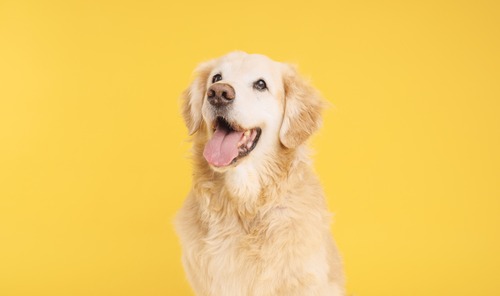
Panting is a natural and essential behavior for dogs. It’s how they regulate their body temperature and maintain a healthy balance of oxygen and carbon dioxide. When dogs pant, they breathe rapidly with their mouths open, allowing moisture to evaporate from their tongue and upper respiratory tract. This evaporative cooling process helps lower their body temperature when they become too warm.
While panting is usually harmless, it can also occur in situations unrelated to temperature. Dogs may pant when they’re excited, anxious, or in mild discomfort. The challenge for pet owners is telling the difference between normal dog panting and something that may point to a health issue.
Normal Reasons for Dog Panting
Most panting is perfectly normal and nothing to worry about. Here are a few common situations where you might see your dog panting and it’s considered healthy.
Cooling Down After Exercise or Heat Exposure
After a long walk, run, or energetic play session, your dog’s body temperature rises. Since dogs can’t sweat like humans, panting becomes their main way of cooling off. You may notice that your dog pants more heavily after activity, but this should slow down within a few minutes once they rest and hydrate.
Excitement and Emotional Responses
Dogs often pant when they’re excited or stimulated by new experiences, visitors, or playtime. This type of panting is typically short-lived and subsides as your dog relaxes. It’s similar to how people might breathe faster when they’re happy or nervous.
Mild Stress or Nervousness
A trip to the vet, loud noises, or car rides can trigger mild stress panting. Your dog may pace, drool, or show other signs of unease. Once the stressful event ends, their breathing usually returns to normal. When dog panting fits into any of these scenarios, it’s generally not a cause for concern. However, if panting appears suddenly, lasts longer than usual, or occurs without an obvious reason, it may signal a problem.
When Dog Panting Could Indicate a Health Concern
Not all panting is normal. Sometimes, excessive or heavy panting points to underlying health issues that require veterinary attention. The following are some of the most common medical reasons for abnormal panting.
Heatstroke or Overheating
One of the most serious causes of excessive dog panting is heatstroke. When a dog’s body temperature rises too high, panting becomes rapid and desperate. You may also see drooling, weakness, confusion, or vomiting. This is a medical emergency that requires immediate veterinary care. Preventing overheating by providing shade, water, and avoiding midday walks during hot Massachusetts summers is essential.
Pain or Discomfort
Dogs often pant when they’re in pain. Because they can’t express discomfort with words, panting may be one of the first noticeable signs. If your dog pants heavily even while resting, or seems restless and avoids certain movements, pain could be the cause.
Anxiety or Fear
Stress-related panting can look similar to heat-related panting, but the triggers are emotional rather than physical. Thunderstorms, fireworks, and separation anxiety are common causes. If your dog pants excessively during stressful events, it’s important to identify what’s triggering their anxiety and talk with your veterinarian about possible solutions.
Respiratory or Heart Problems
Abnormal dog panting can also result from conditions that affect the lungs or heart. Dogs with respiratory disease or heart failure may pant to increase oxygen intake. They might also show signs such as coughing, fatigue, or difficulty lying down comfortably.
Hormonal Disorders and Metabolic Conditions
Certain conditions like Cushing’s disease or hypothyroidism can cause persistent panting. Dogs with Cushing’s disease, for example, often pant excessively even when relaxed or in cool environments. These conditions require professional diagnosis and management by your veterinarian.
How to Tell Normal Panting from Abnormal Panting
Knowing what’s typical for your dog can help you spot early warning signs of trouble. Every dog has their own “normal,” so it’s important to pay attention to their usual breathing patterns and habits.
Signs Panting Is Normal
- Happens after exercise, play, or excitement
- Stops once your dog cools down or rests
- Appears rhythmic and steady
- Occurs in warm weather or after activity
Signs Panting May Be Abnormal
- Occurs suddenly without activity or heat exposure
- Persists for long periods, even during rest
- Sounds louder or harsher than normal
- Accompanied by pale or blue gums, drooling, or shaking
- Paired with other symptoms like lethargy, coughing, or vomiting
If you ever feel uncertain, trust your instincts. When panting seems unusual, it’s best to schedule a veterinary exam to rule out any underlying issues.
Breeds More Prone to Heavy Dog Panting
Some breeds naturally pant more than others due to their anatomy. Brachycephalic (short-nosed) breeds, such as Bulldogs, Pugs, Boxers, and Shih Tzus, have narrower airways and shorter snouts. This makes it harder for them to cool down efficiently, causing them to pant more often. These breeds are also more vulnerable to heat stress and may develop breathing difficulties even in moderate temperatures. Pet owners should monitor these dogs closely during warm weather, provide plenty of water, and keep them indoors during peak heat hours. Other breeds with thick coats, like Huskies or Newfoundlands, may pant more in the summer as well. Regular grooming can help reduce heat buildup and keep them more comfortable.
Environmental and Lifestyle Factors That Influence Panting
External conditions play a significant role in how often your dog pants. The environment, activity level, and even emotional state all affect their breathing patterns.
Temperature and Humidity
High humidity can make it harder for dogs to cool off, since panting relies on moisture evaporation. Even mild temperatures can become uncomfortable when humidity is high, so always monitor your dog’s behavior and provide water breaks during walks.
Activity Levels
A high-energy dog will naturally pant more often. Regular exercise helps maintain a healthy weight and cardiovascular system, both of which influence breathing efficiency. However, overexertion without rest can lead to overheating and fatigue.
Emotional Health and Routine
Stress, boredom, and sudden changes in routine can also trigger increased panting. Maintaining a predictable schedule and providing mental stimulation can help reduce anxiety-related breathing changes.
What to Do If You Notice Unusual Dog Panting
When your dog’s panting feels off or you notice additional symptoms like weakness, coughing, or loss of appetite, contact your veterinarian for an evaluation. They may perform a physical exam, run diagnostic tests, or review your pet’s environment and activity habits to identify the cause. You should never attempt to diagnose or treat abnormal panting at home, as some causes like heart disease or heatstroke require professional care. Early detection helps prevent complications and keeps your pet comfortable. If you’re located in Tewksbury, MA, and are concerned about your dog’s panting, Shawsheen Animal Hospital is here to help. Call (978) 851-5558 or book an appointment online for an expert evaluation.
Helping Your Dog Stay Comfortable Year-Round
Healthy dog panting is a normal part of life, but staying aware of your pet’s breathing patterns helps you act quickly when something seems off. Keeping your dog cool in summer, managing stress, and scheduling regular checkups all contribute to better health and peace of mind. Whether your dog pants from excitement, exercise, or heat, monitoring their behavior helps ensure they stay safe and happy. If panting ever seems excessive or unusual, the caring veterinary team at Shawsheen Animal Hospital is ready to provide guidance and care. Call (978) 851-5558 or book an appointment online today to schedule your dog’s next visit.